
A parked car can turn dangerous for an animal far faster than it feels to the person who steps away from it. On warm days, the temperature inside a vehicle rises quickly—even when the windows are partly open or the car is parked in shade.
That is why veterinarians and animal-welfare organisations give a simple warning: do not leave a pet unattended in a parked vehicle. Heatstroke can become a life-threatening emergency, and dogs, cats, rabbits and other animals cannot open a door or move themselves to a safer place.
The issue is not about judging an errand by its intended length. A “few minutes” can become longer in a queue, a conversation or an unexpected delay. For an animal sealed inside, that difference can be critical.
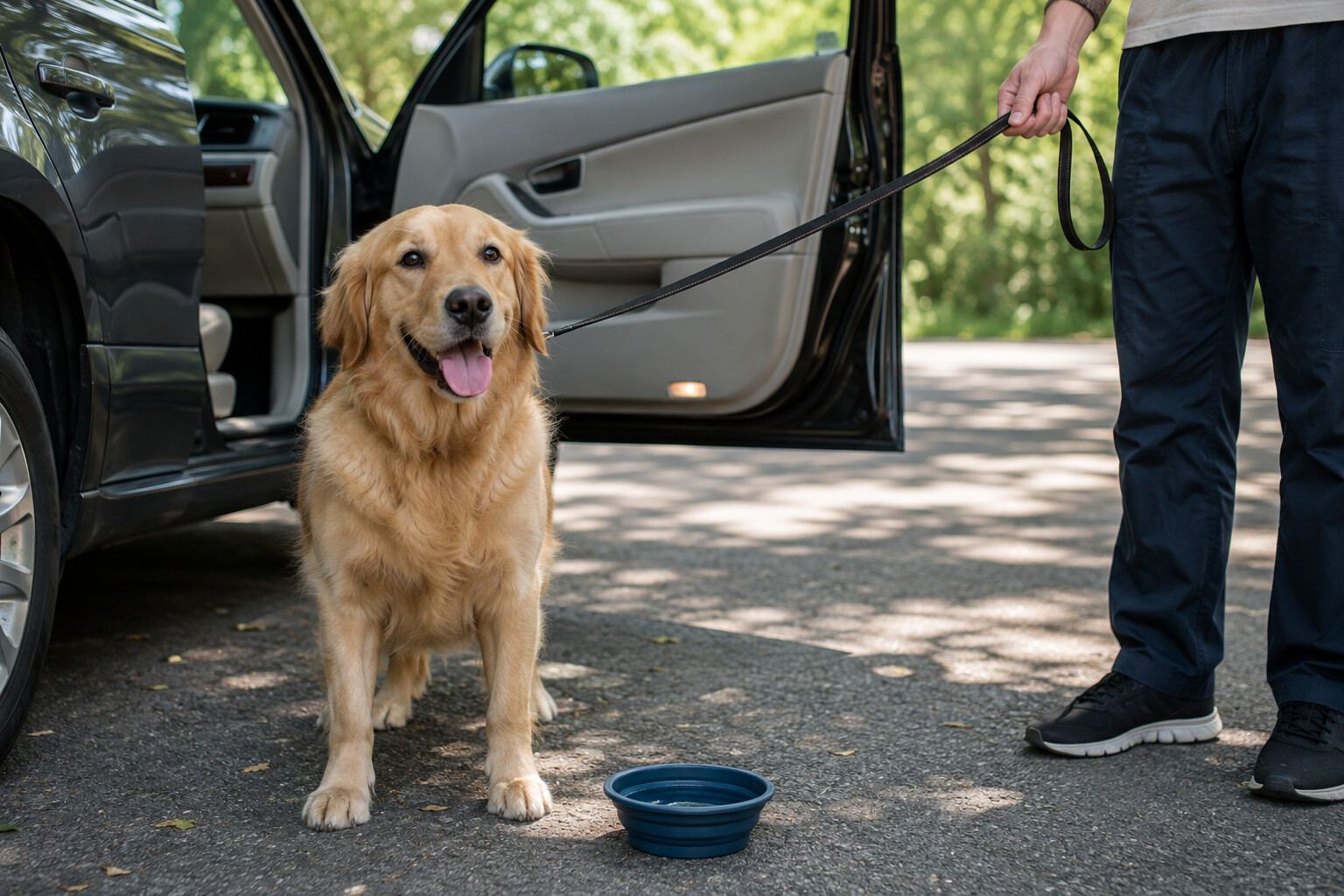
Why cracked windows do not make a car safe
The American Veterinary Medical Association says a car can overheat quickly to deadly temperatures even when the weather does not seem extreme, and advises never leaving a pet inside—even in shade or with windows cracked.
The Humane Society gives one example: on an 85°F day, the inside of a car with windows opened slightly can reach 102°F in 10 minutes and 120°F after 30 minutes. Humidity can add danger by making it harder for animals to cool themselves through panting.
Dogs are particularly vulnerable because panting is their main cooling mechanism. Flat-faced breeds, older animals, animals who are overweight, and pets with heart or lung disease may face heightened risk. But the rule is broader than dogs: no companion animal should be left in an unsafe hot vehicle.
Signs of overheating and what to do
Warning signs can include heavy panting or trouble breathing, excessive drooling, weakness, vomiting, diarrhoea, confusion, collapse or seizures. These signs require urgent veterinary attention.
If you see an animal alone in a hot car, note the vehicle’s location, make and registration if it is safe to do so, then contact local emergency services, police or animal control. Follow local instructions; laws and authorised actions differ by jurisdiction. Do not put yourself or others at risk.
If the animal has been removed, move them to a cooler area and seek veterinary advice immediately. Heatstroke can cause internal harm even when an animal initially seems to recover.
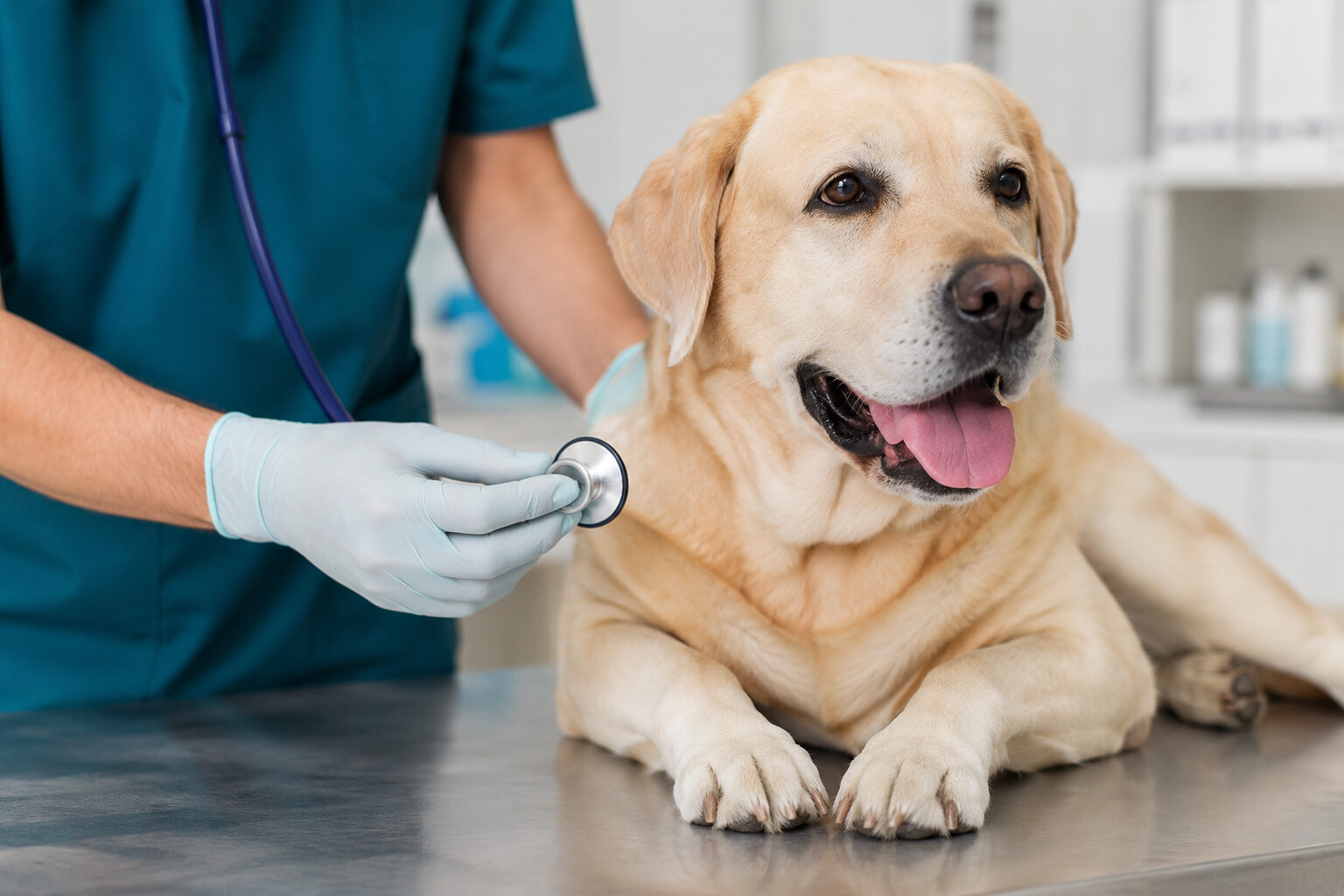
Prevention is the only reliable answer
There is no safe shortcut for a pet left in a parked car. Leave animals at home when possible, plan pet-friendly stops on longer journeys, carry water, and keep them with a responsible adult whenever you need to go inside.
Heat-related harm is preventable. The safest choice is also the simplest: when you leave the car, take the animal with you.
Sources
- American Veterinary Medical Association: warm-weather pet safety
- Humane Society: keeping pets safe in heat
- ASPCA: hot-weather safety tips
- Blue Cross: dogs in hot cars
