
Ricky Gervais has renewed his outspoken opposition to trophy hunting, urging the public to see wild animals as living beings rather than objects to be collected and displayed.
In comments reported by the Daily Mirror on July 4, 2026, the actor and animal advocate described trophy hunting as “one of the most pathetic and indefensible things human beings do.” He added: “These animals aren’t trophies. They aren’t wall decorations. They aren’t status symbols.”
The remarks came as Gervais joined other public figures calling for renewed action against the import of hunting trophies into the United Kingdom. His message was deliberately direct: the value of a lion, elephant, bear or other wild animal lies in its life and place in nature—not in the body parts a hunter can bring home.
A long record of speaking for wildlife
This is not a new position for Gervais. In 2018, Humane Society International presented him with its first Cecil Award, named in memory of Cecil the lion, who was killed by a trophy hunter in Zimbabwe in 2015. The organization said the award recognized Gervais’s international advocacy against trophy hunting and his broader work for animal protection.
His public statements have repeatedly focused on the animal at the center of the debate. A mounted head or skin may be treated as a symbol of prestige by its owner, but it represents the death of an individual animal that once moved through a habitat, interacted with others and responded to the world around it.
That moral argument is what makes the issue resonate far beyond conservation policy. For opponents of trophy hunting, the central question is not whether a body part can be legally transported or displayed. It is whether killing an animal primarily for sport, status or a souvenir is something society should continue to accept.
The UK promise is not the same as a completed ban
The political background requires care. In December 2021, the UK government announced plans to prohibit imports of hunting trophies from thousands of endangered and threatened species, including lions, elephants, rhinos and polar bears. A Hunting Trophies (Import Prohibition) Bill later cleared the House of Commons in 2023.
However, the latest campaign described by the Mirror is a push to complete that unfinished legislative effort. It should not be reported as though a comprehensive new ban has already taken effect. Existing wildlife-trade controls still govern imports, while campaigners continue to press for the broader promised restrictions to become law.
The government’s own consultation response also acknowledged the complexity of the policy debate. Some supporters of regulated hunting argue that revenue can contribute to habitat protection and local livelihoods in certain settings. Opponents answer that conservation finance should not depend on turning threatened or iconic animals into trophies, and that non-lethal alternatives deserve greater investment.
Worth more alive
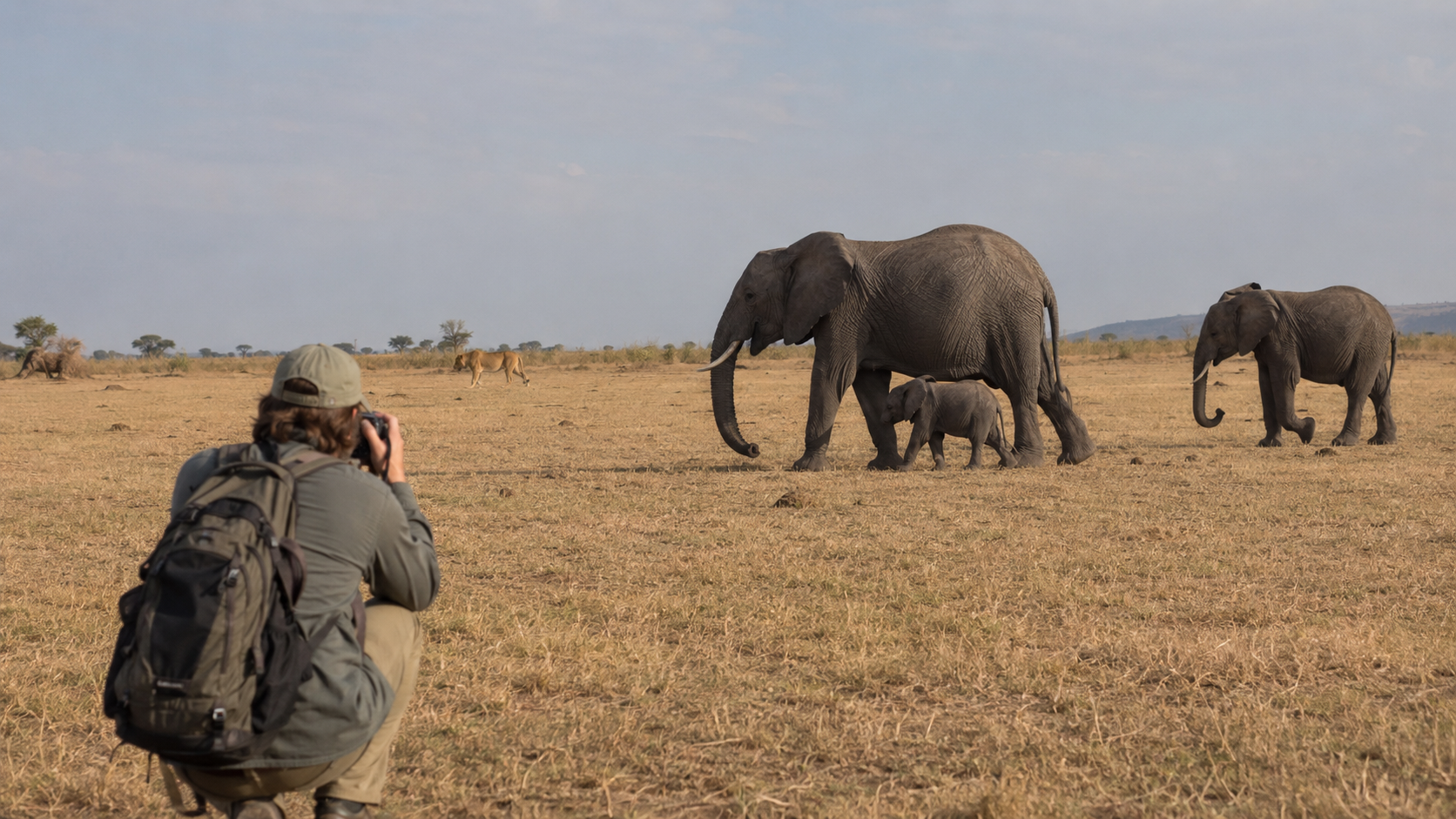
Gervais’s intervention strips the argument back to a simple image: a wild animal alive in its habitat versus a piece of that animal fixed to a wall. One preserves movement, family bonds and the possibility of a future. The other records an ending.
Protecting wildlife requires more than a celebrity statement. It depends on effective laws, habitat conservation, accountable enforcement and durable support for communities living alongside wild animals. But public pressure can help keep those responsibilities visible when political momentum fades.
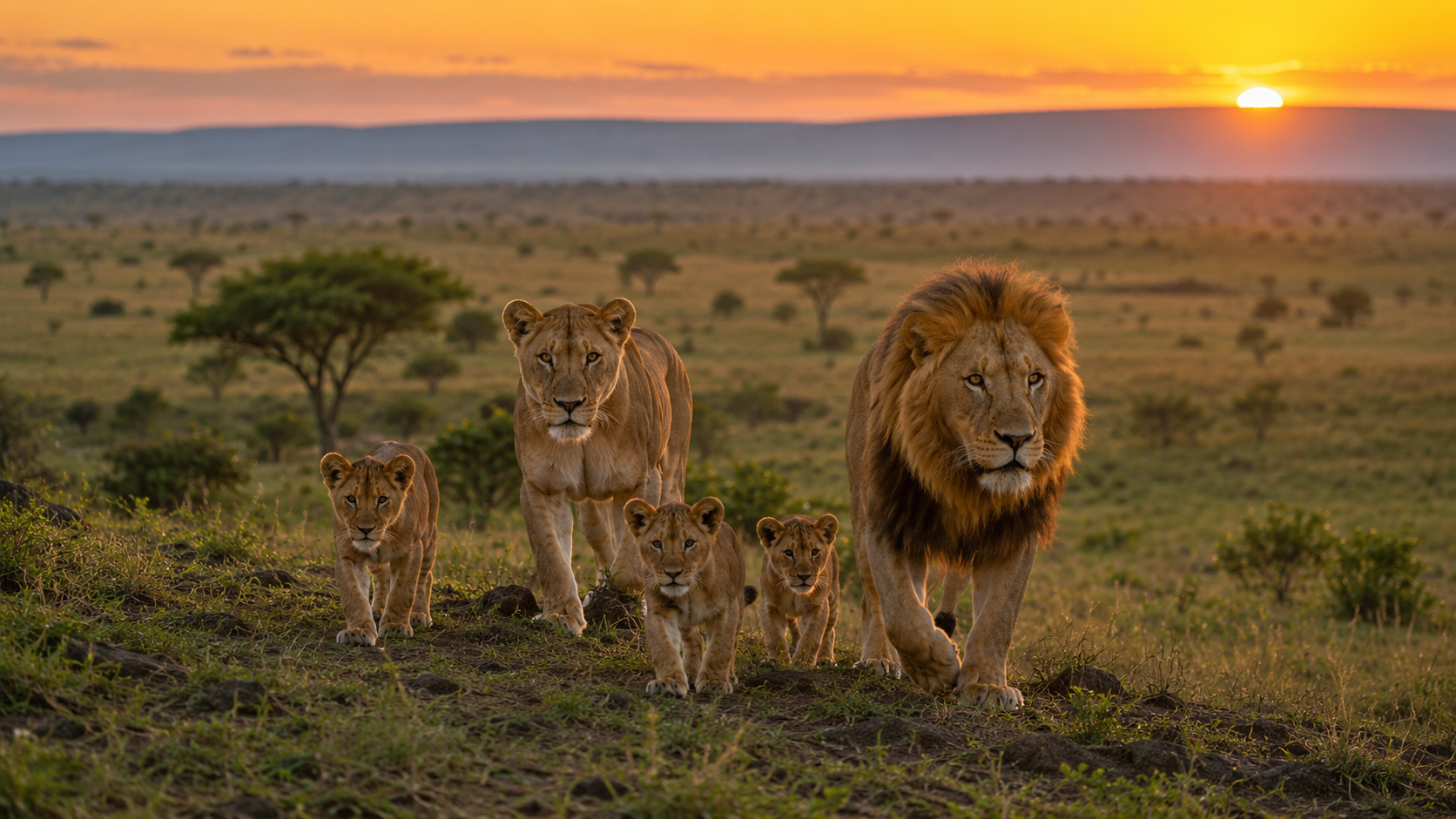
A photograph of a lion walking through the savanna asks us to admire a living creature without possessing it. That is the future Gervais is arguing for: wildlife encountered with respect, protected in the landscapes where it belongs and left alive for generations still to come.
Sources
- Daily Mirror: Ricky Gervais’s July 2026 call for action on trophy hunting
- Humane World for Animals: Ricky Gervais receives HSI’s first Cecil Award
- UK Government: 2021 plan to restrict hunting-trophy imports
- UK Government: consultation response on hunting-trophy controls
