
After nearly three decades of breed-based restrictions, pit bull-type dogs can once again be legally owned and adopted in Prince George’s County, Maryland.
The county’s former ban was replaced by Council Bill CB-097-2025, an overhaul of the local animal-control code enacted by the County Council on November 18, 2025. The new rules took effect on February 2, 2026.
The change is significant, but it is not an unrestricted removal of every rule aimed at pit bull-type dogs. Residents must meet registration, permit, licensing and training requirements. The county has also created a pilot program governing adoption and fostering.
A 27-year breed ban comes to an end
Prince George’s County adopted its pit bull restriction in 1997. Under the old code, dogs identified as American Pit Bull Terriers, American Staffordshire Terriers, Staffordshire Bull Terriers or dogs predominantly resembling those breeds were generally prohibited.
That approach made Prince George’s County an outlier in the Washington metropolitan area. Critics argued that visual breed identification can be unreliable and that the policy judged dogs by appearance instead of conduct.
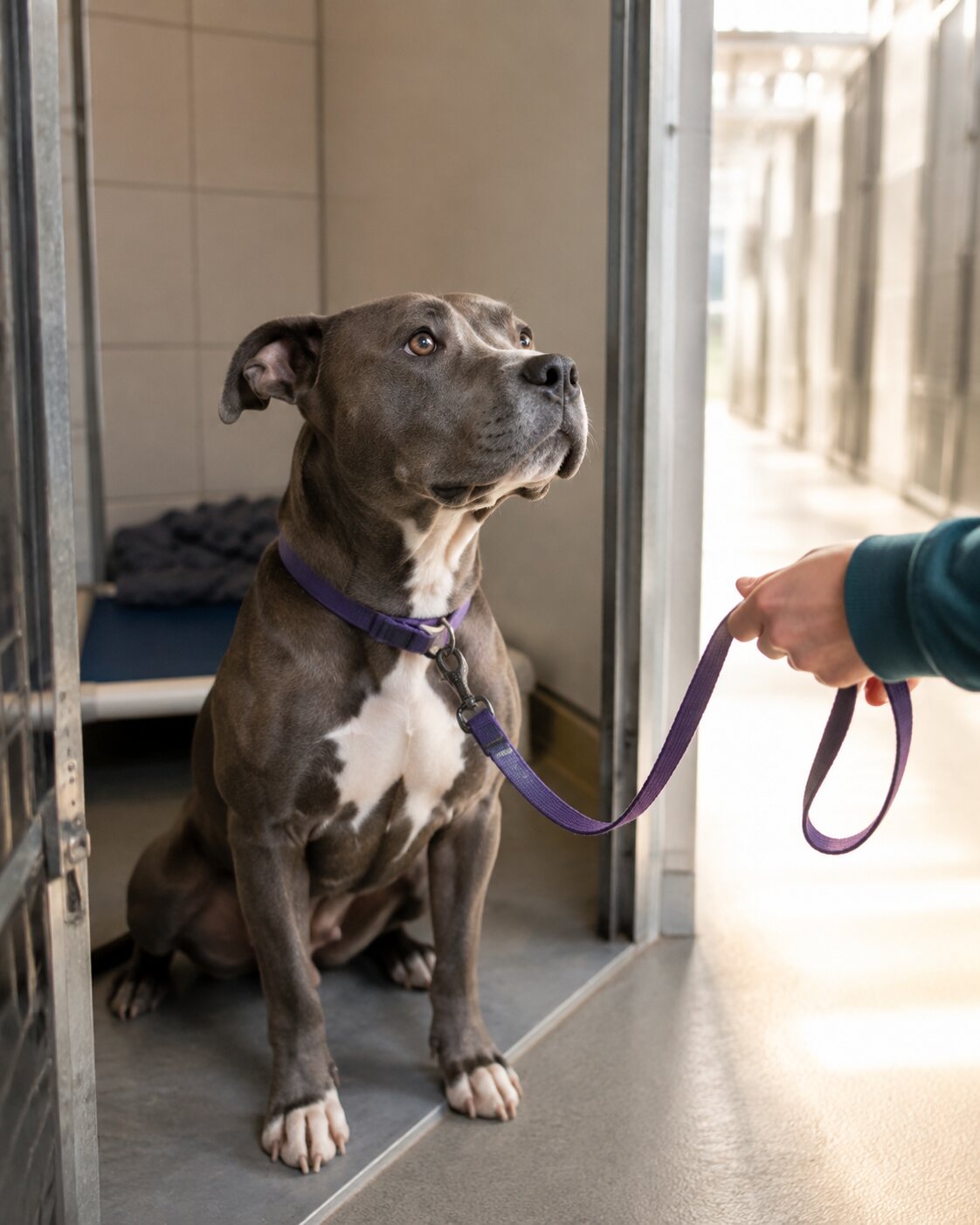
CB-097-2025 expressly lifts the ban while changing other parts of the county’s animal-control system. Official county guidance now says pit bull-type terriers may be legally owned and adopted when all requirements are satisfied.
For shelters, the change opens a route that did not previously exist for many dogs. Pit bull-type dogs that entered the county shelter could face long periods of confinement or be considered unavailable for ordinary local adoption because of their classification. The new pilot program allows qualifying dogs to move into foster or adoptive homes under specific conditions.
The new law still requires permits and training
The repeal does not mean breed-specific requirements have vanished. According to Prince George’s County Animal Services, owners must register and receive approval for a pit bull permit before applying for the animal’s county license. Required steps include appropriate registration, licensing and mandatory pet-parent or animal-handling education.
The broader bill also strengthens leash requirements, updates the definition and handling of dangerous animals, and increases civil penalties for repeated violations. That matters because the policy is intended to move away from automatic prohibition while retaining tools aimed at irresponsible ownership and genuinely dangerous behavior.
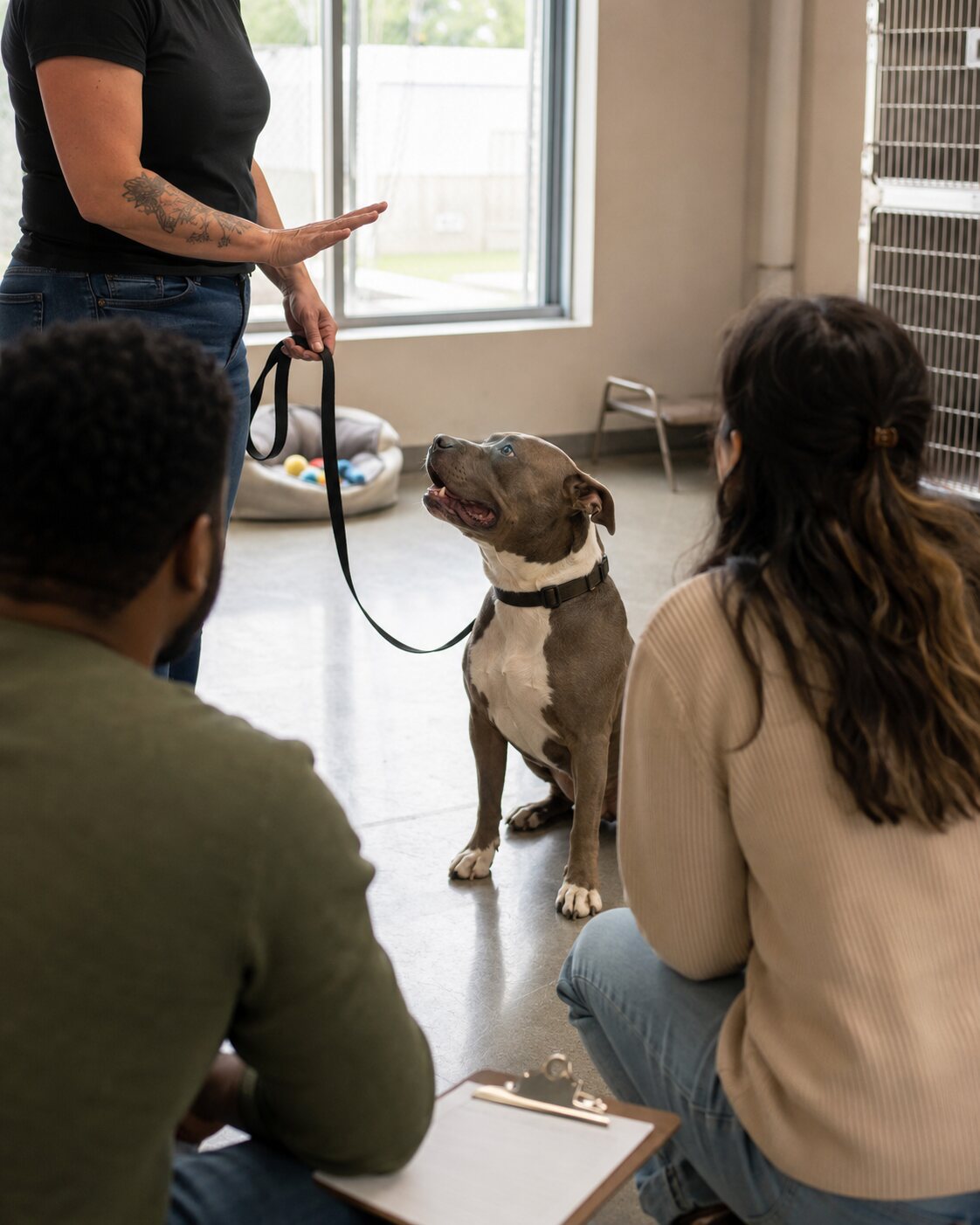
Dogs that were already legally registered are covered by grandfather provisions. New owners and adopters, however, should not assume that simply obtaining a dog completes the process. The county advises residents to secure the required permit and comply with every licensing condition.
Why advocates say individual evaluation matters
Animal-welfare organizations have long argued that breed-specific laws can block suitable dogs from homes without accurately predicting which animals may be dangerous. They favor evaluating an individual dog’s behavior, health and history while holding owners accountable through enforceable rules that apply to conduct.
Supporters of the Prince George’s County reform also point to the pressure the former ban placed on shelter capacity. Dogs classified by appearance could remain confined even when they showed behavior compatible with adoption.
Public-safety concerns have not disappeared. Some residents who supported the old restriction remain worried about serious dog attacks. The new system attempts to answer those concerns with permits, mandatory education, stronger leash rules and escalating consequences for violations rather than a complete prohibition based on breed.
For the dogs affected, the practical result is a fairer opportunity. A breed label no longer automatically closes the door to legal ownership or adoption in Prince George’s County. Each dog still must move through the county’s rules, but a suitable animal can now be considered for a home instead of being rejected solely because of appearance.
Sources
- Prince George’s County Council: CB-097-2025 legislative record
- Prince George’s County Animal Services: pit bull permits
- Prince George’s County: ownership and adoption announcement
- Maryland Matters: County Council vote and policy background
- Best Friends Animal Society: implementation and shelter impact
