
A warm jacket, soft pillow or insulated sleeping bag can feel far removed from a farm. Yet when the label lists down or feathers, ducks or geese are part of that product’s supply chain.
That fact has driven a difficult consumer debate. Some buyers argue that down is a useful byproduct of meat production and that certified supply chains can reduce the risk of severe abuse. Others believe that, when animal-free insulation is readily available, there is no need to use feathers at all.
This is not a new law, ban or single breaking-news event. It is an ethical choice—and one that deserves accurate information rather than the assumption that all down is produced in exactly the same way.
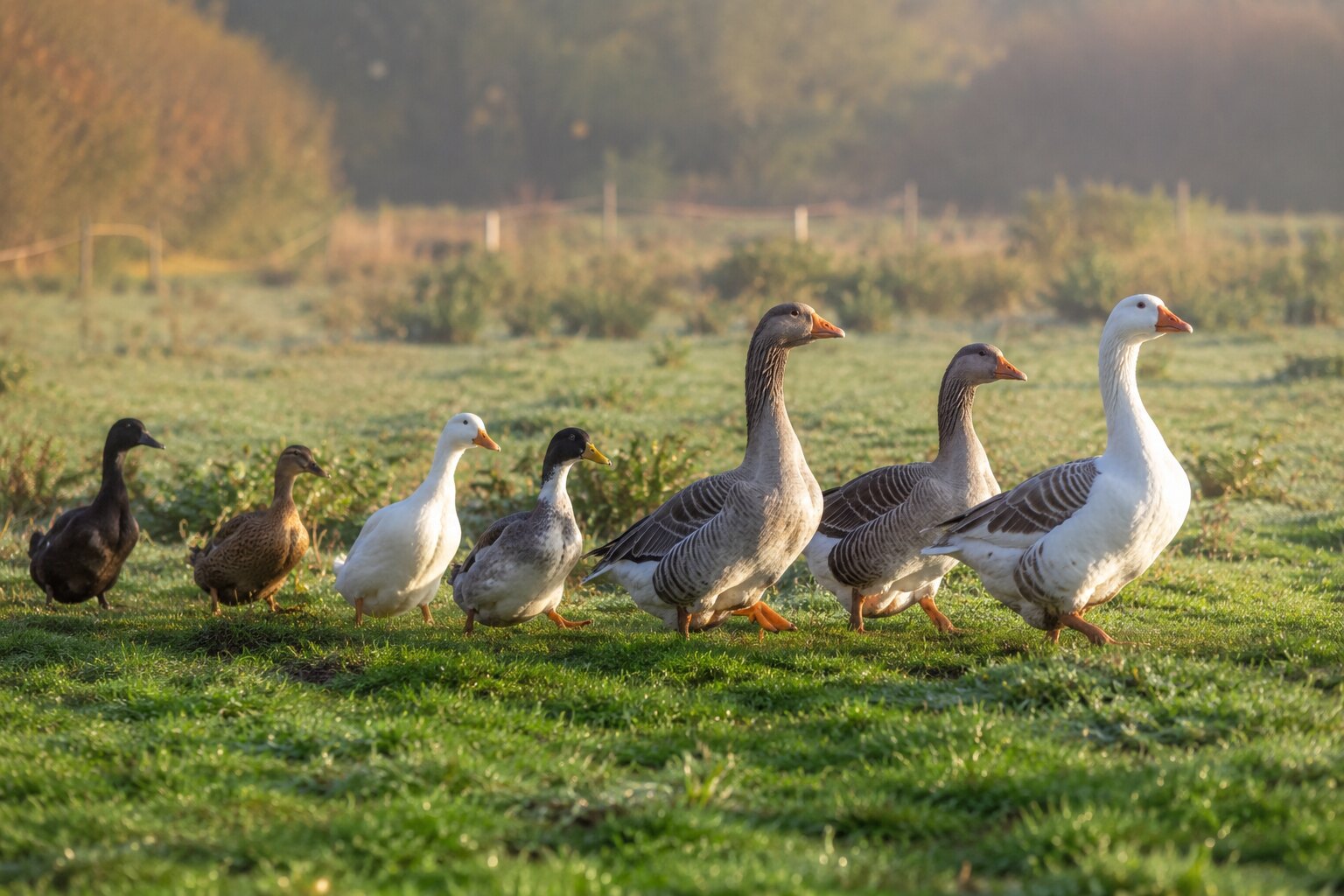
Not every feather follows the same path
Down is the soft insulating layer found beneath the exterior feathers of waterfowl. Its light weight and ability to trap heat have made it valuable in coats, duvets, pillows and outdoor equipment.
Much of the industry describes feathers and down as byproducts collected after ducks and geese are slaughtered for food. Animal-welfare organizations caution that this description does not cover every supply chain. Investigations have documented live-plucking, in which feathers are removed from living birds, as well as connections between some down production and force-fed foie gras systems.
Those practices are not permitted under the Responsible Down Standard. Textile Exchange says its voluntary RDS program covers animal welfare and chain-of-custody requirements, prohibits live-plucking and force-feeding, and helps companies trace certified material through the supply chain.
That distinction matters. A claim that every feather-filled product comes from a live-plucked bird would be inaccurate. Certification can offer consumers seeking conventional down a way to demand stronger safeguards and traceability.
But certification does not make the material animal-free. Even certified down still comes from birds raised within an agricultural system, and that is where the deeper ethical disagreement begins.
Choosing alternatives is possible—but trade-offs remain
Feather-free products are no longer unusual. Jackets, comforters, pillows and sleeping bags can be filled with recycled polyester, lyocell, kapok and other plant-based or synthetic materials. These options allow people to avoid animal-derived insulation altogether.
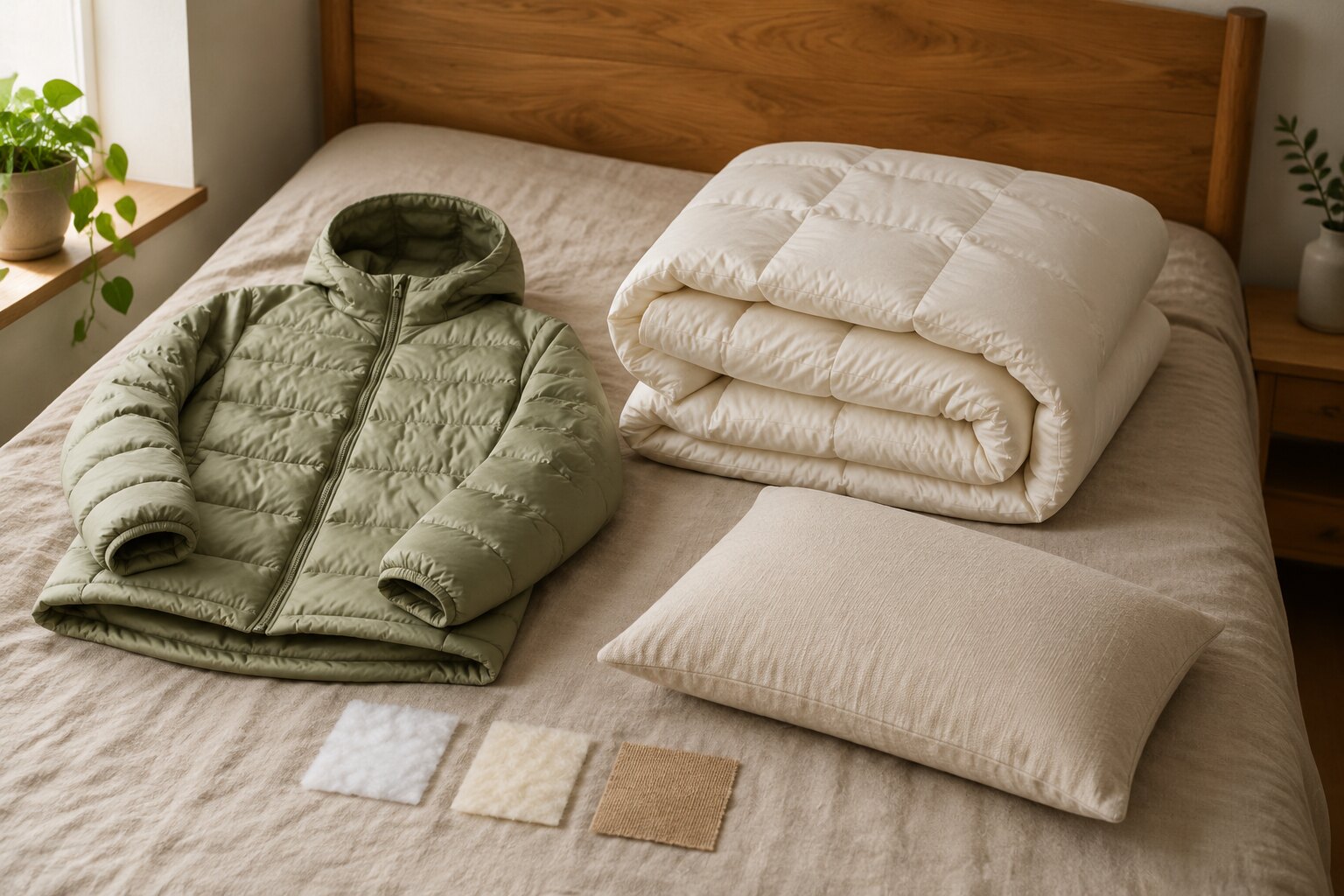
No material is impact-free. Virgin synthetic fill is generally derived from fossil fuels, while even recycled fibers have manufacturing impacts and may release microfibers. Plant-based fills have their own questions about durability, sourcing and performance. A responsible purchase therefore means looking at animal welfare, climate, pollution, longevity and whether a new product is needed at all.
Still, the existence of alternatives changes the conversation. Consumers are not limited to choosing between warmth and compassion. They can compare performance, repairability, recycled content and animal-derived materials before buying.
What about livelihoods?
Workers, farmers and small businesses should not be treated as disposable. A move away from animal-derived products can affect jobs and communities, and any serious transition should include retraining, investment and support for people whose incomes depend on existing supply chains.
But employment alone does not end the ethical discussion. Industries change when technology, public values and demand change. The better question is how to create secure work around products that consumers increasingly want—not whether current practices must continue forever simply because people depend on them today.
For shoppers who already own down products, throwing away a usable jacket or comforter may create needless waste. Using it for its full life, repairing it, buying secondhand or donating it responsibly can be more thoughtful than replacing it immediately.
For the next purchase, however, the choice is clearer than it once was: look for credible welfare certification if buying down, or choose a feather-free fill when avoiding animal use is the priority.
A single purchase will not transform a global industry. But repeated choices send a market signal. When people ask what is inside a product—and whose body supplied it—companies have a reason to offer something different.
Sources
- Textile Exchange: Responsible Down Standard
- Textile Exchange: RDS animal-welfare and traceability overview
- FOUR PAWS: Down production and feather-free alternatives
- National Audubon Society: Guide to down certification
