
New Jersey made animal-protection history in 2018 when it became the first U.S. state to prohibit a broad range of wild and exotic animals from being used in traveling animal acts.
Governor Phil Murphy signed the measure on December 14, 2018. Officially enacted as P.L. 2018, c.141, it became widely known as Nosey’s Law—after an African elephant whose decades in traveling entertainment helped turn public concern into political action.
The distinction matters today because social-media posts often present the law as a new development. It is not new, but it remains a landmark: New Jersey went beyond earlier state measures focused only on elephants and restricted covered wild-animal performances across circuses, carnivals, fairs, parades, petting zoos and similar traveling shows.
What Nosey’s Law actually prohibits
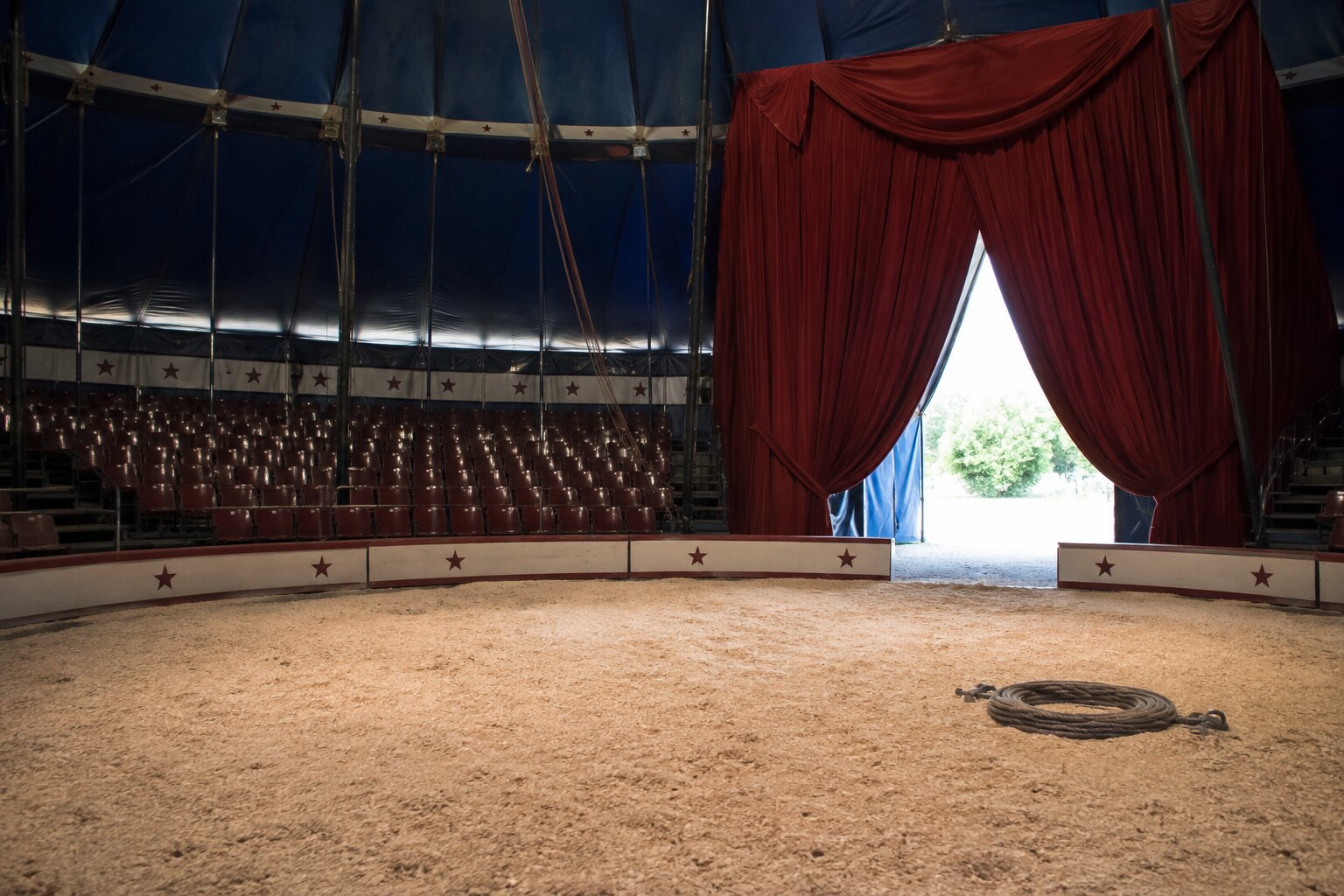
The law says that no person may use a covered wild or exotic animal in a traveling animal act. It defines such an act as a performance requiring an animal to be transported to or from the venue in a mobile or traveling housing facility.
The covered groups include elephants, big cats, bears, nonhuman primates, crocodilians, seals and sea lions, camels, marsupials and several other classifications. Domestic dogs, domestic cats and common domestic livestock are excluded from the statutory definition.
The measure also contains exceptions. It does not apply to qualifying exhibitions at permanent, non-mobile facilities licensed by the U.S. Department of Agriculture and permitted by state wildlife authorities. Certain educational or conservation outreach programs, higher-education exhibitions and government programs are also exempt.
The elephant behind the law
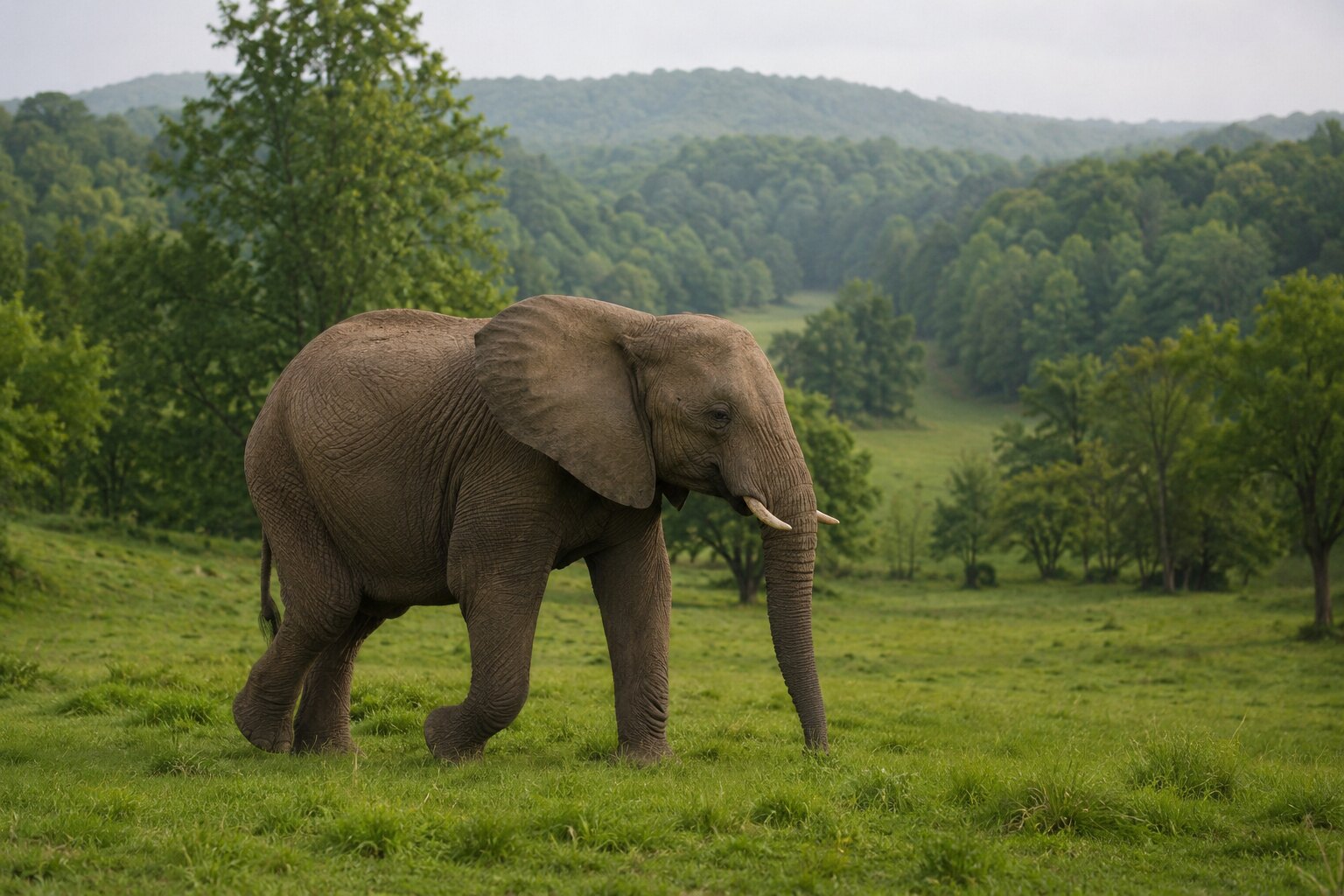
Nosey spent roughly three decades being transported around the United States for performances and elephant rides. Her condition and treatment prompted years of complaints and campaigning by animal advocates.
In 2017, after authorities intervened in Alabama, Nosey was placed at The Elephant Sanctuary in Tennessee. A court later awarded permanent custody to the sanctuary. The organization’s current materials list Nosey among the elephants receiving lifetime care there in 2026.
Her case resonated strongly in New Jersey. Nosey had appeared at the New Jersey State Fair, and concern about her health helped fuel efforts to stop elephants from being used in traveling shows. The proposal was eventually broadened to cover many categories of wild and exotic animals.
Why New Jersey’s first still matters
New York and Illinois had already prohibited elephants in traveling shows in 2017. New Jersey’s law was considered a national first because it reached a much wider range of wild and exotic animals used in traveling performances.
That broader approach recognized that the welfare problem was not limited to a single species. Constant transportation, restricted housing and repeated performances can make it difficult for wild animals to express normal behavior or meet complex physical and social needs.
The law did not ban every animal exhibition in New Jersey, and it should not be described that way. Its target was narrower and specific: covered wild or exotic animals transported for traveling acts. Within that scope, however, it set a precedent that advocates hoped other states would follow.
Nosey’s story gave the law a name, but its impact extended far beyond one elephant. Her journey from traveling entertainment to sanctuary became part of a legal shift that declared some animals should no longer be moved from venue to venue for human amusement.
Sources
- New Jersey Legislature: P.L. 2018, c.141, Nosey’s Law
- Animal Welfare Institute: legislative history and scope
- Humane World for Animals: New Jersey’s first-in-the-nation enactment
- The Elephant Sanctuary: Nosey’s profile
- The Elephant Sanctuary: 2026 resident update
