
New Zealand businesses cannot simply take a conscious lobster and drop it into boiling water.
Under the country’s Animal Welfare (Care and Procedures) Regulations 2018, a person must not kill a crab, rock lobster, crayfish or kōura for commercial purposes unless the animal is insensible before it is killed.
The rule is significant, but it is not new in 2026 and it is narrower than some viral posts suggest. It applies to killing the named crustaceans for commercial purposes. The regulation also includes an exception for an animal captured in the wild when killing it is necessary to facilitate its imminent destruction.
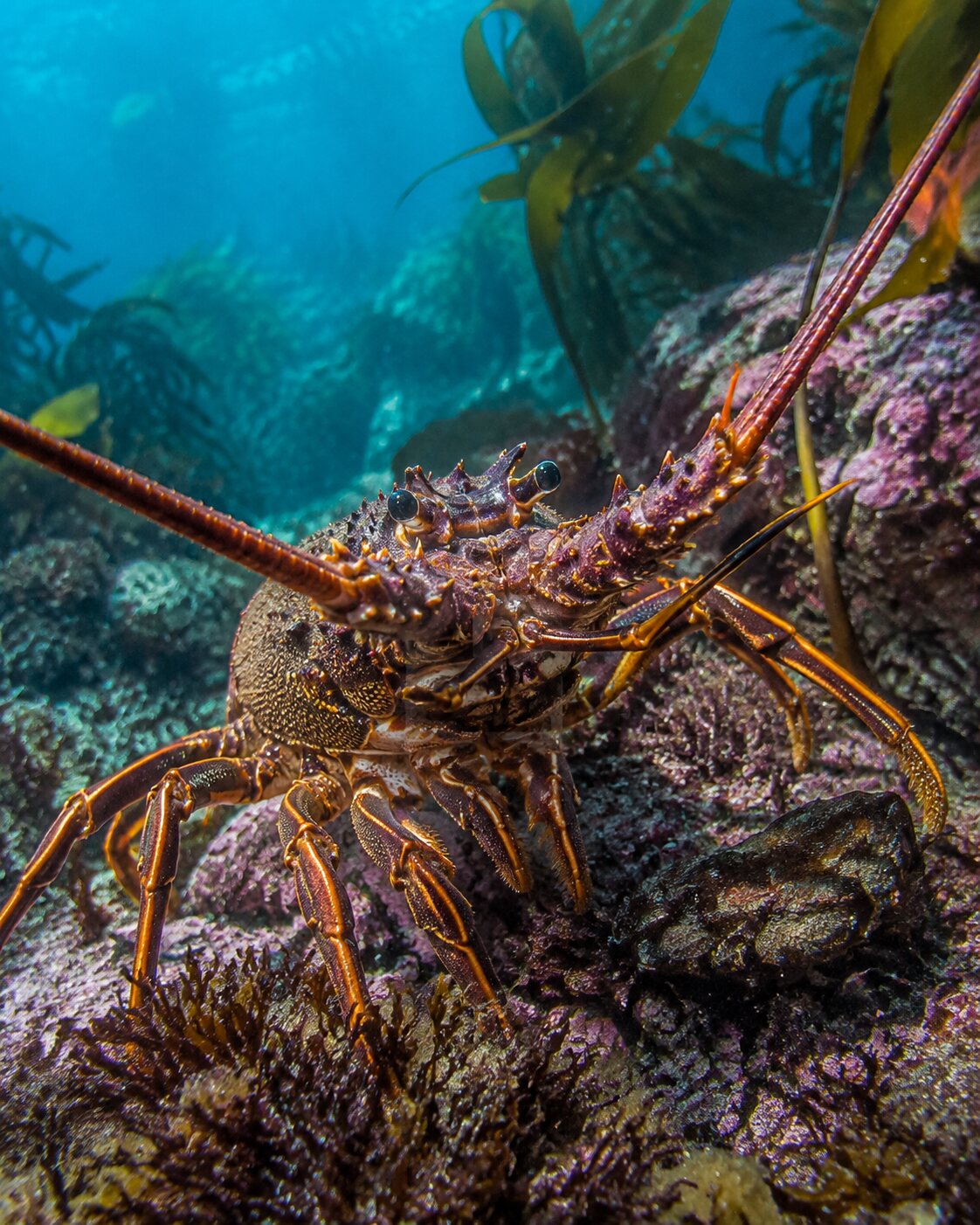
What the rule actually requires
The legal standard is about the animal’s condition before death: it must be rendered insensible. New Zealand’s Code of Welfare for Commercial Slaughter repeats that requirement for crabs, rock lobsters, crayfish and freshwater crayfish, or kōura.
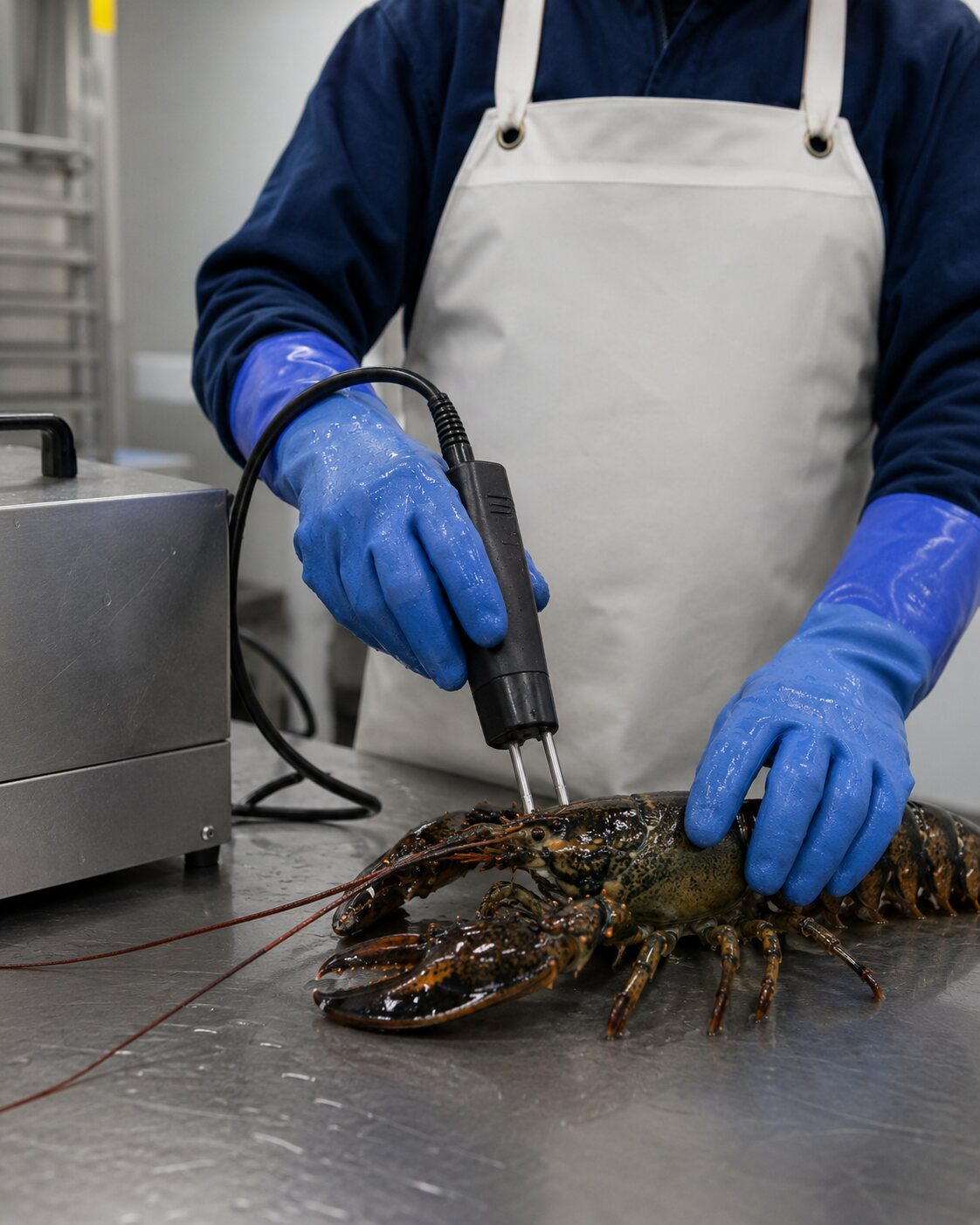
In practical terms, a business should use a method that makes the animal unable to experience what follows before killing it. Electrical stunning or an appropriate anaesthetic can be used, according to SPCA New Zealand. If a method only stuns rather than kills, destruction of the central nervous system must follow immediately.
The welfare group says chilling in air or on ice, carbon-dioxide exposure, freshwater immersion and boiling are not humane stunning or killing methods. That is why describing the regulation merely as a rule about cooking misses its broader purpose: businesses must ensure the covered animal is insensible before slaughter.
Why crustacean welfare matters
The rules reflect a major change in how scientists and animal-welfare authorities view crustaceans. Their nervous systems differ from those of mammals, but difference is not evidence that harmful treatment cannot matter to them.
Research has examined whether crustaceans show more than simple reflexes when exposed to harmful conditions. Evidence of avoidance learning, trade-offs between competing needs and lasting changes in behaviour has strengthened concern that decapod crustaceans can experience pain or pain-like states.
A peer-reviewed study of electrical stunning in New Zealand rock lobsters noted that decapod crustaceans are protected under the country’s animal-welfare legislation and assessed whether electrical stunning produced an immediate, sustained loss of sensibility. The study reported evidence supporting electrical stunning as a humane option when applied with appropriate settings.
A real protection, not a new announcement
New Zealand’s position can fairly be summarized this way: for the covered commercial activity, boiling a lobster while it remains conscious is not permitted. But it should not be presented as a brand-new nationwide announcement made in 2026, or as an unlimited ban governing every private or recreational situation.
The underlying principle remains powerful. When a method can reduce an animal’s suffering before death, the fact that the animal lives beneath the surface should not make its welfare invisible.
Sources
- New Zealand Legislation — Animal Welfare (Care and Procedures) Regulations 2018
- Ministry for Primary Industries — Code of Welfare: Commercial Slaughter
- SPCA New Zealand — Aquatic crustaceans caught and used for food
- Animals — Electrical stunning of New Zealand rock lobster
