
New York has put a broad legal barrier between horses and the slaughter pipeline—but the protection is not a brand-new 2026 development.
Governor Kathy Hochul signed S.2163B/A.5109A on December 13, 2023. The measure took effect 120 days later and is now codified as Section 385 of New York’s Agriculture and Markets Law. It expanded an earlier protection focused on racehorses to cover horses more broadly.
What the New York law prohibits
The law makes it unlawful to slaughter a horse when any part of the animal will be used for human or animal consumption. It also reaches earlier stages of the trade.
A person or entity that owns a horse—or is in the process of taking ownership—may not import, export, sell, transfer, purchase, possess, transport, deliver, receive, give away, hold or accept the horse with the intent that it be slaughtered for human or animal consumption. Similar restrictions apply to horseflesh.
That transport language matters because the slaughter pipeline does not begin at the slaughterhouse door. Horses may pass through sales, auctions, dealers and long-distance shipments before reaching their final destination. By targeting transactions and movement tied to slaughter intent, New York’s law is designed to prevent the state from serving as part of that chain.
Violations are misdemeanors. The statute allows fines of up to $1,000 per horse for an individual and up to $2,500 per horse for a corporation, association or other entity on a first violation. The maximum fines increase for subsequent violations.
Why state action still matters
Commercial horse slaughter in the United States ceased in 2007, according to the U.S. Government Accountability Office. But that did not end the movement of American horses to slaughter outside the country. GAO documented that exports to Canada and Mexico rose after domestic plants closed, shifting rather than eliminating the trade.
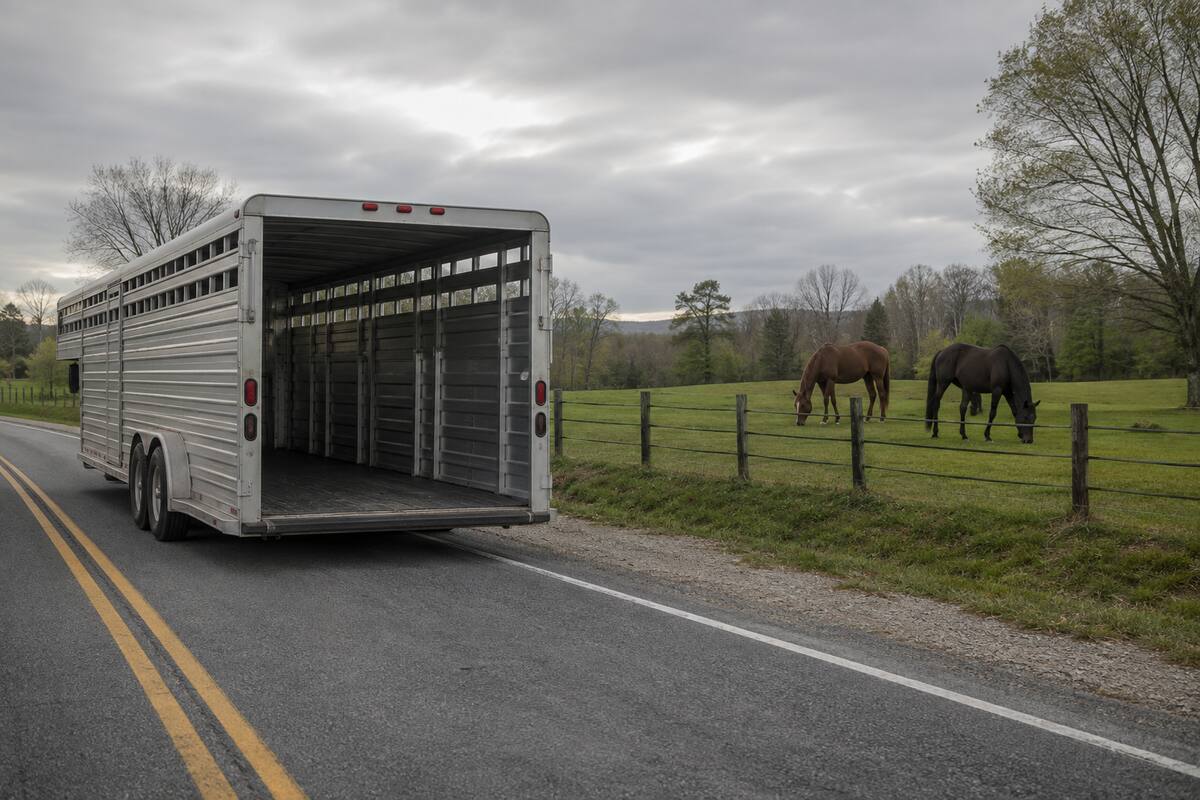
The New York measure therefore does more than prohibit a slaughter facility from operating within the state. It also addresses horses being bought, held or moved with slaughter for consumption as the intended outcome.
The law does not create a nationwide ban. Its reach is limited to conduct governed by New York law, so it cannot by itself stop the export of horses from every other state. That distinction is important: New York has closed its own legal route into the trade, while the broader federal gap remains.
A protection years in the making
The 2023 legislation followed years of advocacy and built on New York’s 2021 law protecting Thoroughbred and Standardbred racehorses and breeding stock from sale or transport for slaughter. Supporters said extending the rule to all horses would make enforcement more consistent, including when authorities encounter mixed groups of equines.
For horse-welfare advocates, the result is a meaningful state-level safeguard: horses cannot legally be slaughtered in New York for consumption, nor can covered owners and buyers use the state to conduct the transactions or transportation that feed that outcome.
Sources
- New York Agriculture and Markets Law, Article 26
- New York Senate Bill S.2163B
- Office of Governor Kathy Hochul: equine-cruelty legislation signed December 13, 2023
- U.S. Government Accountability Office: Horse Welfare
