
A March 2022 search for shed antlers ended in tragedy when 40-year-old Craig Clouatre was killed in a suspected grizzly bear encounter in the mountains south of Livingston, Montana.
The case remains a sobering example of how quickly a surprise encounter can become fatal in grizzly country. It also requires careful language: authorities said tracks and evidence at the scene indicated a grizzly was responsible, but they found no indication that the bear had sought Clouatre out.
What authorities established
Clouatre went into the Six Mile Creek area of the Absaroka Mountains with a friend on Wednesday, March 23, 2022. The two separated while traveling off trail, and Clouatre did not arrive at their planned meeting point. A search involving ground crews and aircraft followed.
Searchers found him dead two days later. Park County Sheriff Brad Bichler said evidence at the scene pointed to a grizzly bear, while emphasizing that there was no sign the animal had deliberately tracked or hunted the man.
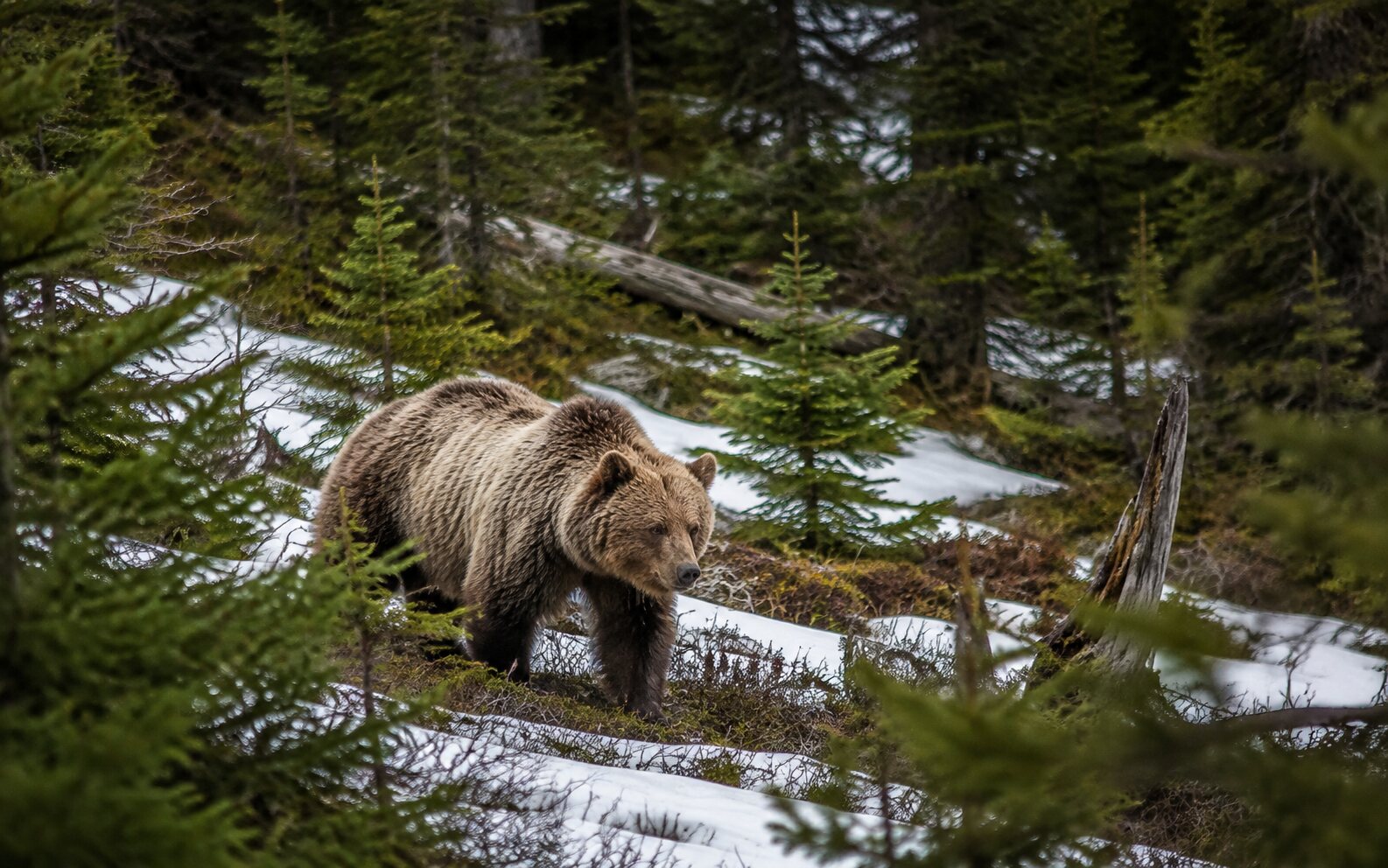
That distinction matters. Bears may react defensively when surprised at close range, especially around cubs, a carcass or another food source. Investigators did not publicly establish the precise chain of events in Clouatre’s death, so claims about exactly why the encounter occurred would go beyond the available evidence.
A human tragedy, not a story about a “bad” bear
Clouatre’s death was devastating for his family and community. Reporting at the time described him as a father of four, and the search drew an extensive response from local authorities and volunteers.
Recognizing that loss does not require assigning human motives to a wild animal. A grizzly does not act from cruelty or hatred. It responds to perceived danger, food, cubs and the conditions around it. In remote terrain, dense vegetation and wind can also make it harder for people and bears to detect each other before they are dangerously close.
Grizzlies are both immensely powerful and ecologically important. Coexistence depends on giving them space while reducing the kinds of surprises and food-related conflicts that can end with a person injured or killed—and often with a bear killed afterward.
How to reduce risk in bear country
The National Park Service advises people in grizzly habitat to travel in groups, make noise in areas with poor visibility and carry EPA-approved bear spray where it can be reached immediately—not buried inside a backpack. Each person should know how to use it before entering the backcountry.
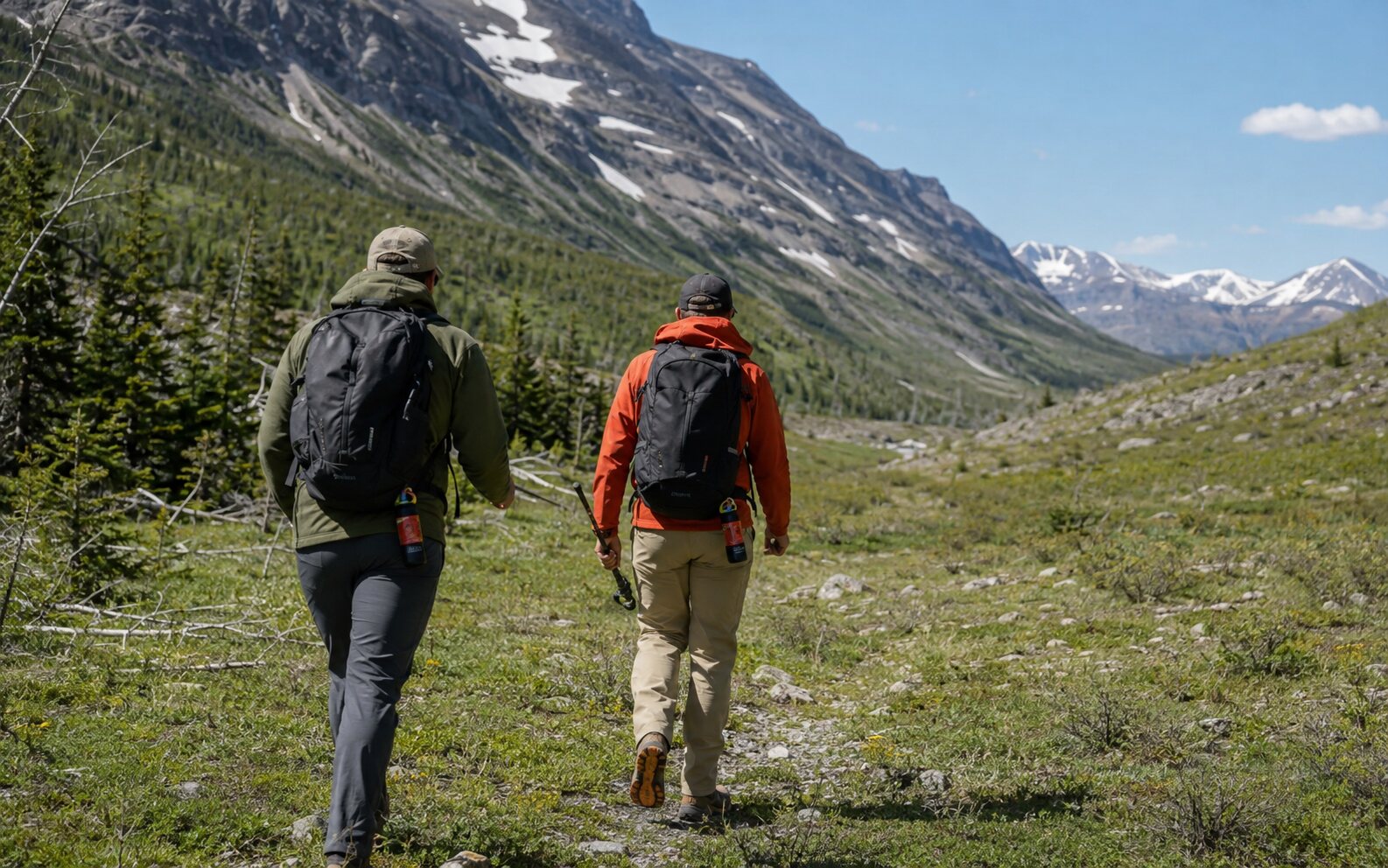
Hikers should stay alert near thick cover, blind corners, streams and animal carcasses. If a bear is encountered, guidance varies with the circumstances, but running is dangerous. People should back away slowly when possible, leave the bear an escape route and prepare bear spray if the animal behaves aggressively or charges.
No precaution can remove every risk from wild country. The lasting lesson from this loss is not that nature must be controlled, but that entering habitat shared with large predators demands preparation, humility and respect.
Sources
- CBS News/AP: Montana authorities did not pursue the grizzly
- NBC Montana/AP: initial report on the search and fatal encounter
- National Park Service: Yellowstone safety and bear-spray guidance
- National Park Service: safety in bear country
