
California has closed the door on commercial octopus farming before the industry could become established in the state.
Governor Gavin Newsom signed Assembly Bill 3162, the California Oppose Cruelty to Octopuses—or OCTO—Act, on September 27, 2024. The law took effect January 1, 2025, and prohibits farming any octopus species for human consumption.
It also prohibits business owners and operators from knowingly selling octopus produced through aquaculture. That made California the second U.S. state to prohibit octopus farming, after Washington, and the first to ban sales of farmed octopus.
What the OCTO Act actually prohibits
The law applies to octopus aquaculture on land or in water, including recirculating tank systems. Its farming ban is specifically tied to raising octopuses for human consumption.
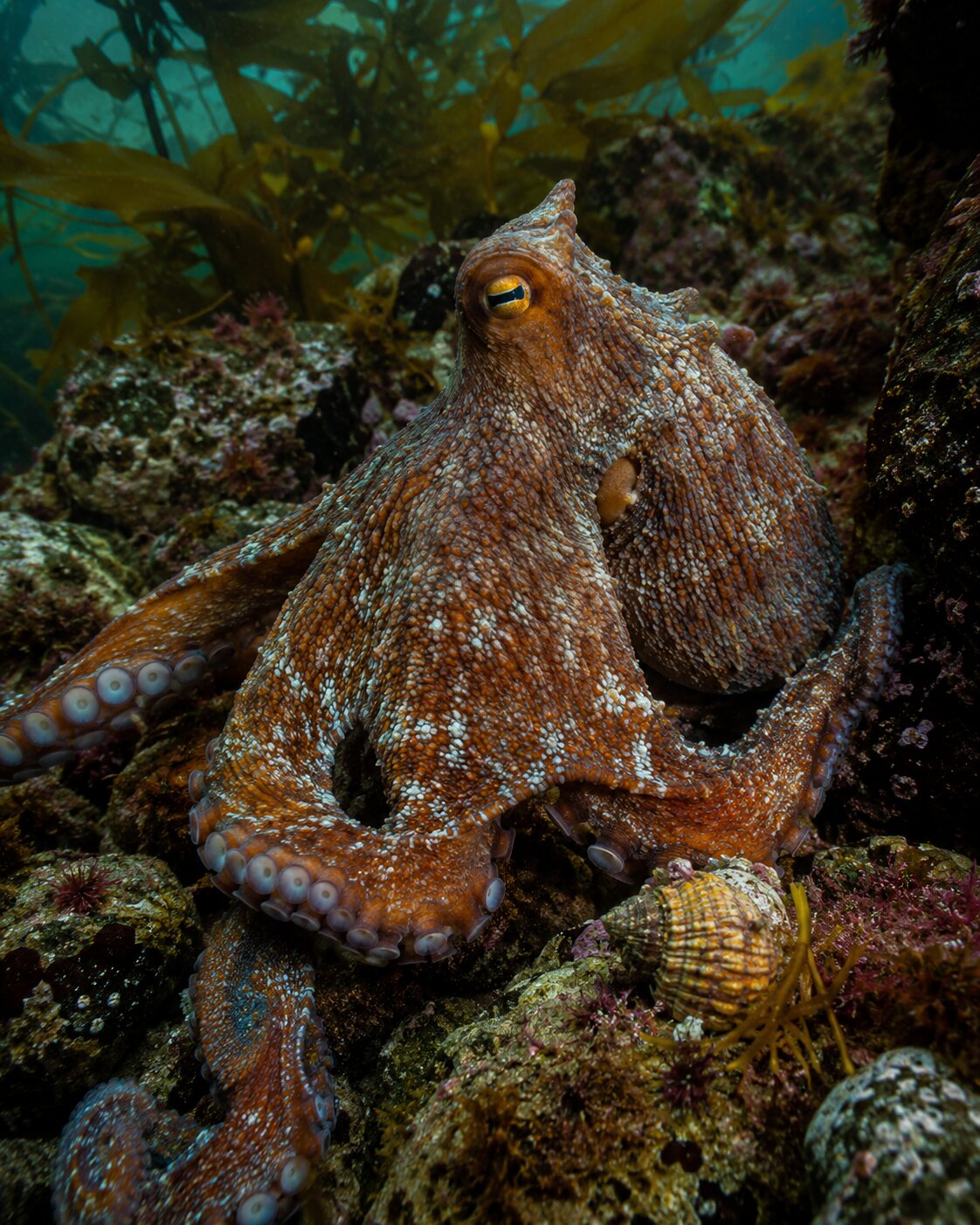
The distinction matters: California did not ban all octopus seafood. The statute targets farmed octopus, not octopus caught in the wild. It was designed as a preemptive measure, adopted while commercial octopus farming remained an emerging idea rather than an established California business.
Washington enacted the first state prohibition in March 2024. Its law banned octopus aquaculture but did not include California’s additional restriction on farmed-octopus sales. California lawmakers used the sales provision to avoid supporting production elsewhere while banning farms at home.
Why lawmakers focused on octopus intelligence
The findings written into AB 3162 describe octopuses as intelligent, curious and capable of complex behavior. The law cites evidence of learning, memory, navigation, tool use and the ability to experience pain, stress and fear.
Those findings are consistent with a major London School of Economics review. Researchers assessed more than 300 scientific studies on cephalopods and decapod crustaceans and found strong evidence supporting sentience in octopuses.
Octopus intelligence is not simply a popular impression. Researchers have documented veined octopuses collecting, carrying and later assembling coconut-shell halves as shelters—behavior described in Current Biology as defensive tool use.
For lawmakers and animal advocates, those abilities create a basic welfare problem. An animal adapted to explore, hide, forage and manipulate a changing environment may suffer when confined in a crowded, repetitive production system. Many octopus species are also solitary, raising concerns about aggression and stress when animals are kept together at high density.
Stopping a system before animals enter it
Industrial aquaculture can vary greatly by species and facility. The California law does not reject aquaculture as a whole. It draws a line around one proposed form of farming that lawmakers concluded presented unusually difficult welfare and environmental challenges.
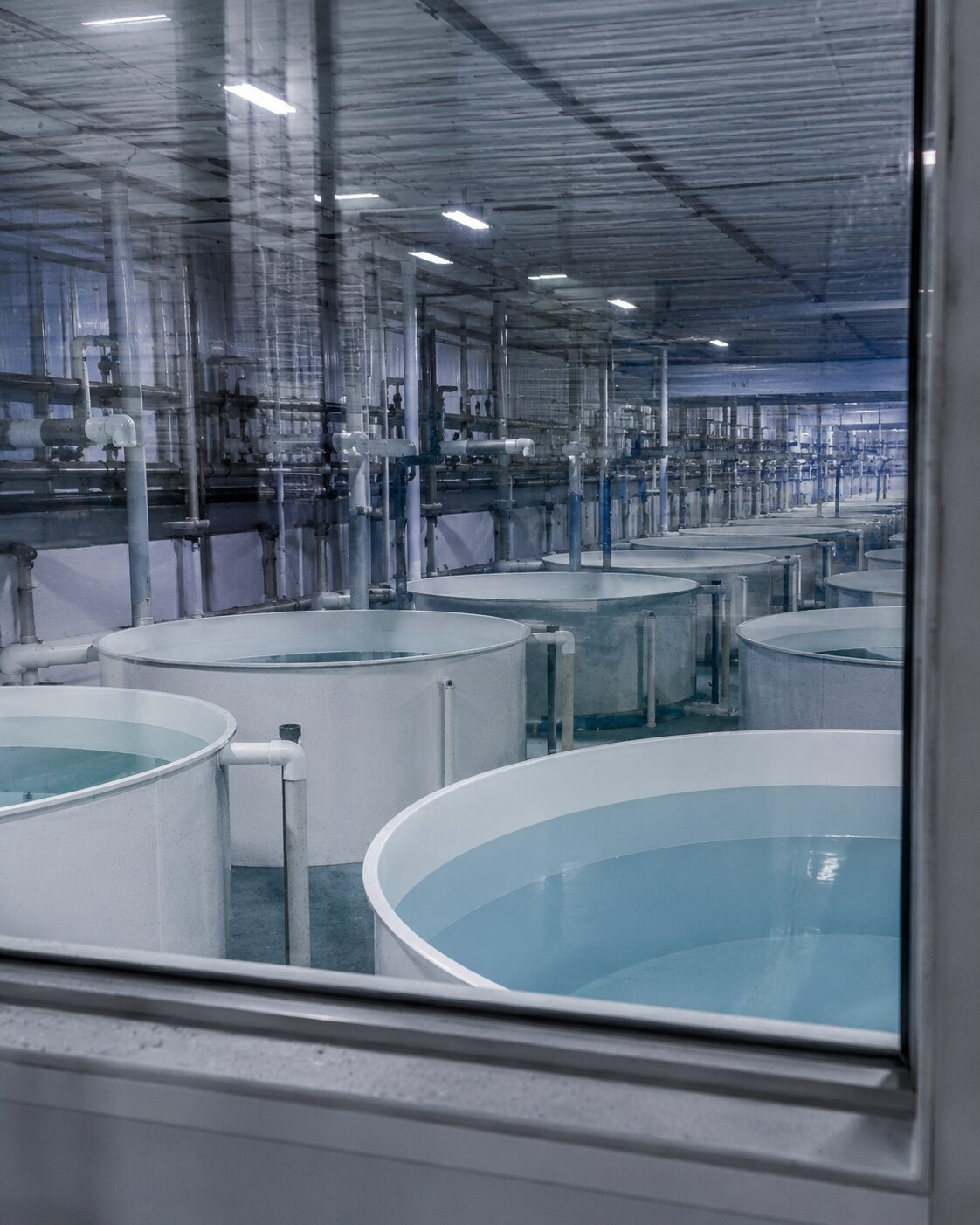
Octopuses are carnivorous, so proposed farms would also require substantial feed made from other aquatic animals. The Legislature raised concerns about pressure on fish stocks, pollution, disease and the possibility of escapes alongside the central animal-welfare issue.
California’s approach is significant because animal-protection laws often arrive only after an industry has become entrenched. Here, lawmakers chose to act before facilities were built, animals were stocked and jobs or investments became arguments against change.
The OCTO Act will not end octopus farming worldwide, and it does not end the consumption of wild-caught octopus in California. But it establishes a clear principle: society does not have to wait for large-scale suffering before deciding that a new form of animal production should not begin.
Sources
- California AB 3162 — chaptered statutory text
- CalMatters — California’s octopus-farming and sales ban
- Animal Legal Defense Fund — signing announcement and legislative context
- London School of Economics — cephalopod sentience review
- Current Biology — defensive tool use in octopuses
