
What we choose to eat can shape landscapes far beyond the dinner table. That is the evidence-based idea behind a message long associated with Sir David Attenborough’s work: protecting wildlife also requires changing the systems that place pressure on nature.
Attenborough has spent generations bringing the natural world into people’s homes. WWF, which has worked with him on projects including Our Planet and A Life on Our Planet, describes the latter as his witness statement for the natural world and his vision for the future.
The queued social-media post is not tied to a new law, speech or scientific announcement. It is better understood as a reflection on a well-established environmental issue: food production affects climate, land use and biodiversity, while dietary changes can form part of the solution.
Food production changes the space available to wildlife
Growing food requires land, water and energy. The environmental cost varies widely depending on what is produced, how it is produced and where it comes from. But livestock systems can require substantial areas for grazing and for crops grown as animal feed, increasing competition for land that could otherwise support forests, wetlands and other habitats.
That does not mean every farmer, region or animal-based product has the same footprint. It also does not mean individual consumers carry sole responsibility for global environmental damage. Government policy, corporate supply chains, agricultural practices and access to affordable food all influence what ends up on a plate.
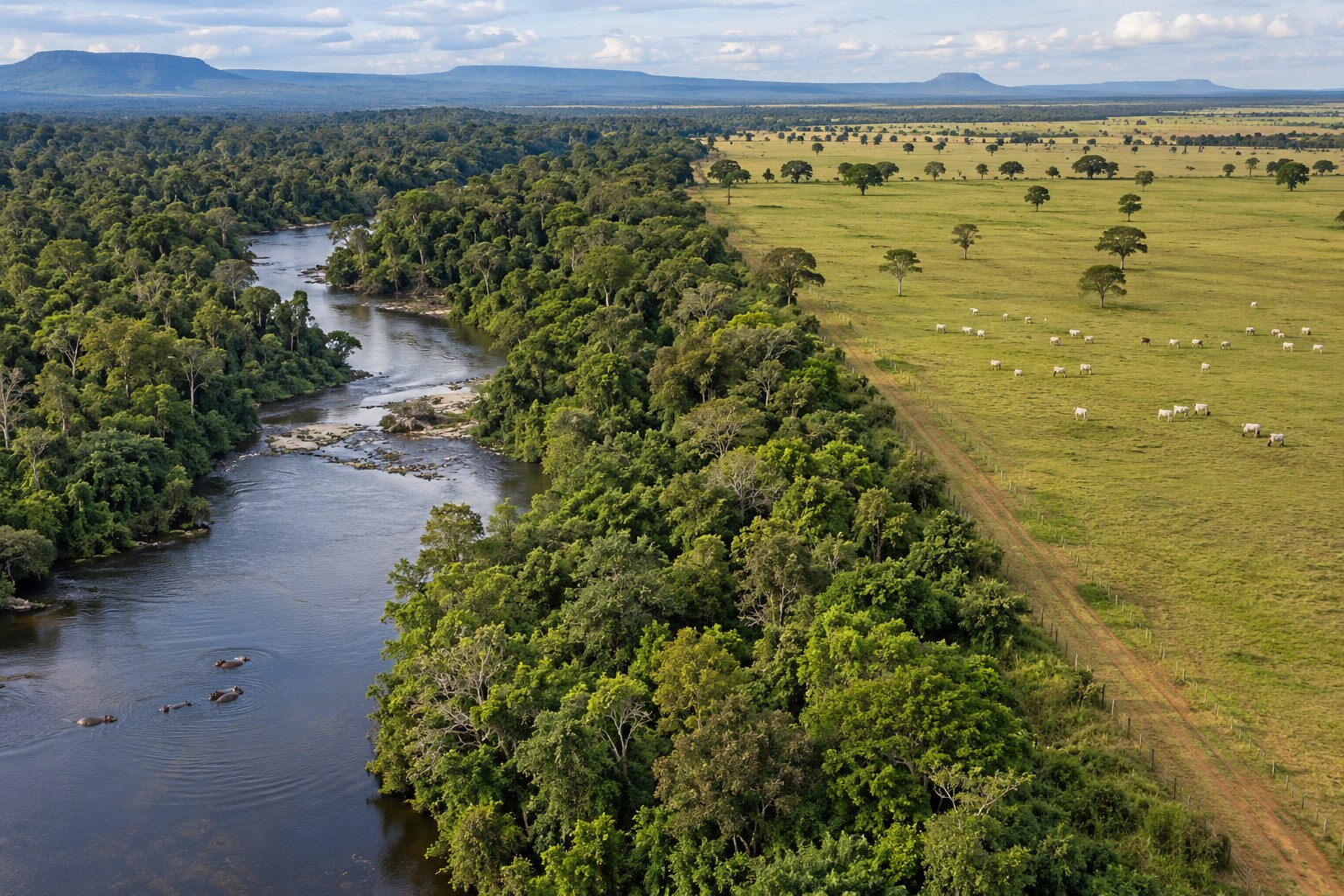
Still, dietary demand matters. When production expands into natural areas, animals can lose feeding grounds, nesting sites and migration routes. Habitat fragmentation can also bring people and wildlife into closer conflict.
More plant-rich diets can reduce environmental pressure
The Intergovernmental Panel on Climate Change has reviewed evidence showing that balanced diets featuring plant-based foods—such as grains, legumes, fruits, vegetables, nuts and seeds—offer opportunities to reduce greenhouse-gas emissions and pressure on land. The IPCC does not present one identical diet for every person or culture. Its findings emphasize balanced, sustainable patterns and the importance of context.
This distinction matters. A plant-rich shift can mean different things for different households: choosing beans instead of meat for some meals, wasting less food, buying foods linked to lower deforestation risk, or supporting farmers who protect soil and habitat. It need not depend on perfection to have value.
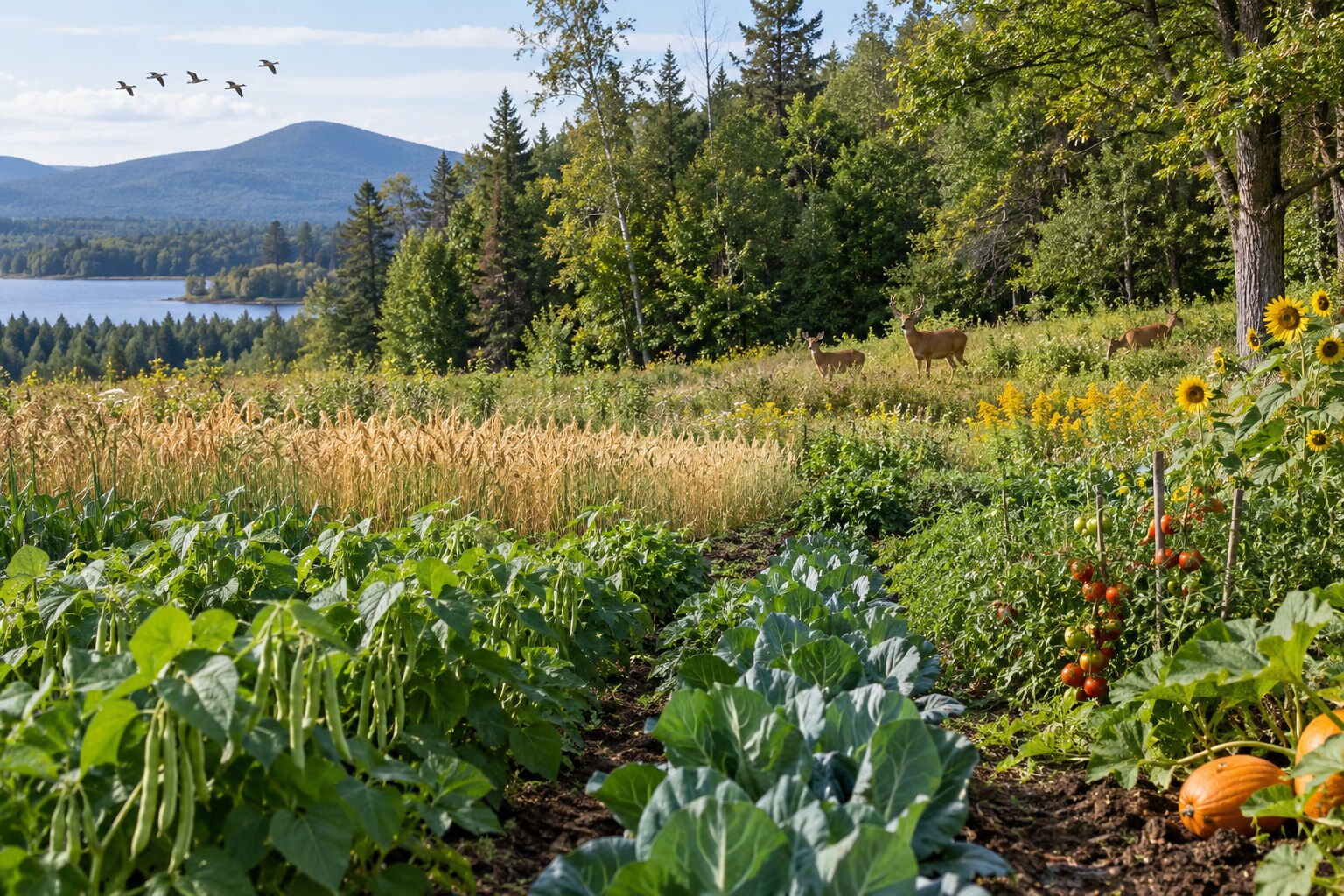
WWF similarly identifies food production as a major driver of climate change and biodiversity loss. Its public guidance encourages practical actions, including reducing waste and trying plant-based meals, while also calling for wider changes in the systems that produce and distribute food.
Attenborough’s enduring lesson is collective responsibility
Attenborough’s documentaries have helped millions of viewers see that human wellbeing is inseparable from healthy ecosystems. WWF marked his 100th birthday in 2026 by highlighting a lifetime spent helping people understand and care for the natural world.
The strongest version of that message is not that one meal will save the planet, or that one consumer should be blamed for a global crisis. It is that repeated choices, supported by better policies and more sustainable production, can move demand in a different direction.
Wildlife protection is often discussed as something that happens inside reserves or through laws against poaching. Those protections remain essential. But decisions about farms, supply chains, food waste and diets also determine how much habitat remains and how quickly the climate changes.
Our food choices are therefore part of a larger conservation story. When people, businesses and governments make it easier to eat well with less environmental harm, they help create a future in which wildlife has more room to survive.
Sources
- WWF-UK: Sir David Attenborough’s conservation work and documentaries
- WWF-UK: Attenborough’s call for action to protect nature
- IPCC Special Report on Climate Change and Land: Summary for Policymakers
- IPCC: Food security, diets and land-use impacts
- WWF-UK: Food production, biodiversity and practical choices
