
Professional hunter Claude Kleynhans was killed by a Cape buffalo in South Africa after his hunting party had shot another buffalo and was preparing to remove the carcass.
The fatal encounter happened on May 22, 2018, near the Levubu River in Limpopo Province. It is an older event that has recently circulated again on social media without always making the date clear.
Local outlet Review Online reported that Kleynhans, 54, owned Guwela Hunting Safaris. His former wife, Corina van der Merwe, said the group had killed a buffalo as planned and was clearing brush around the carcass when another buffalo surprised him. The animal reportedly struck his femoral artery, and he died almost immediately.
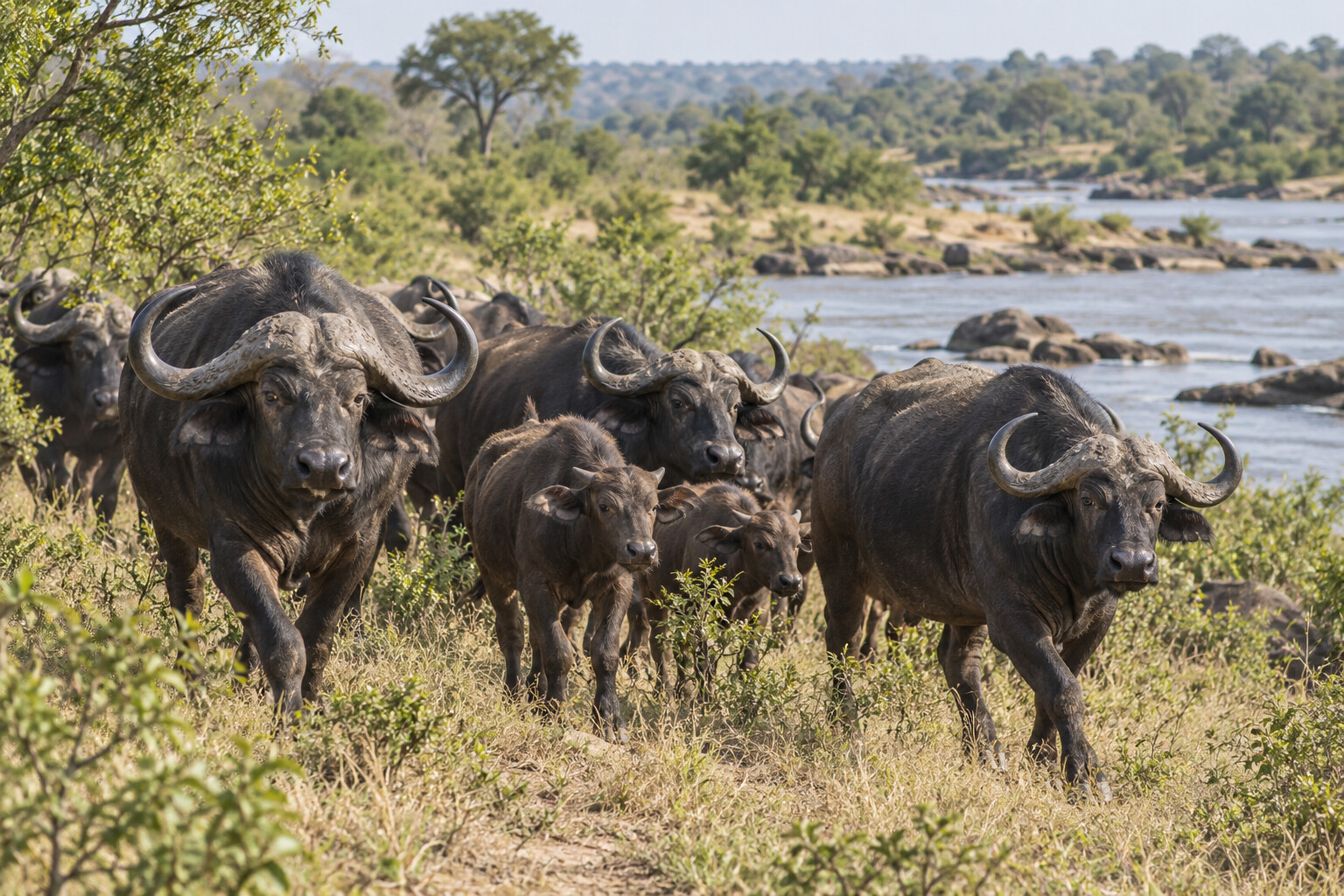
The attack followed a successful hunt
Accounts published at the time agree on the central sequence: Kleynhans and his party had already shot one buffalo. As they worked near the dead animal, a second buffalo from the herd charged unexpectedly.
The Independent, citing the original local report, said another guide ran toward the hunting lodge to seek help. The injury was catastrophic, leaving little opportunity for rescue.
Online retellings sometimes frame such incidents as revenge. That description goes beyond the evidence. No one can know what the buffalo intended, and wild animals should not be assigned a human motive. What can be said is that a large, powerful animal charged in a disturbed hunting scene shortly after another member of the herd had been killed.
Cape buffalo demand distance and respect
African buffalo are heavily built wild bovids with formidable horns. Their strength and defensive behavior make close encounters dangerous, especially when an animal is wounded, cornered, separated from its herd or surprised at close range.
Kleynhans was not an inexperienced visitor. Contemporary reports described him as a longtime professional hunter and safari operator. His death demonstrates that experience can reduce risk but cannot eliminate the unpredictability of interacting with powerful wildlife.
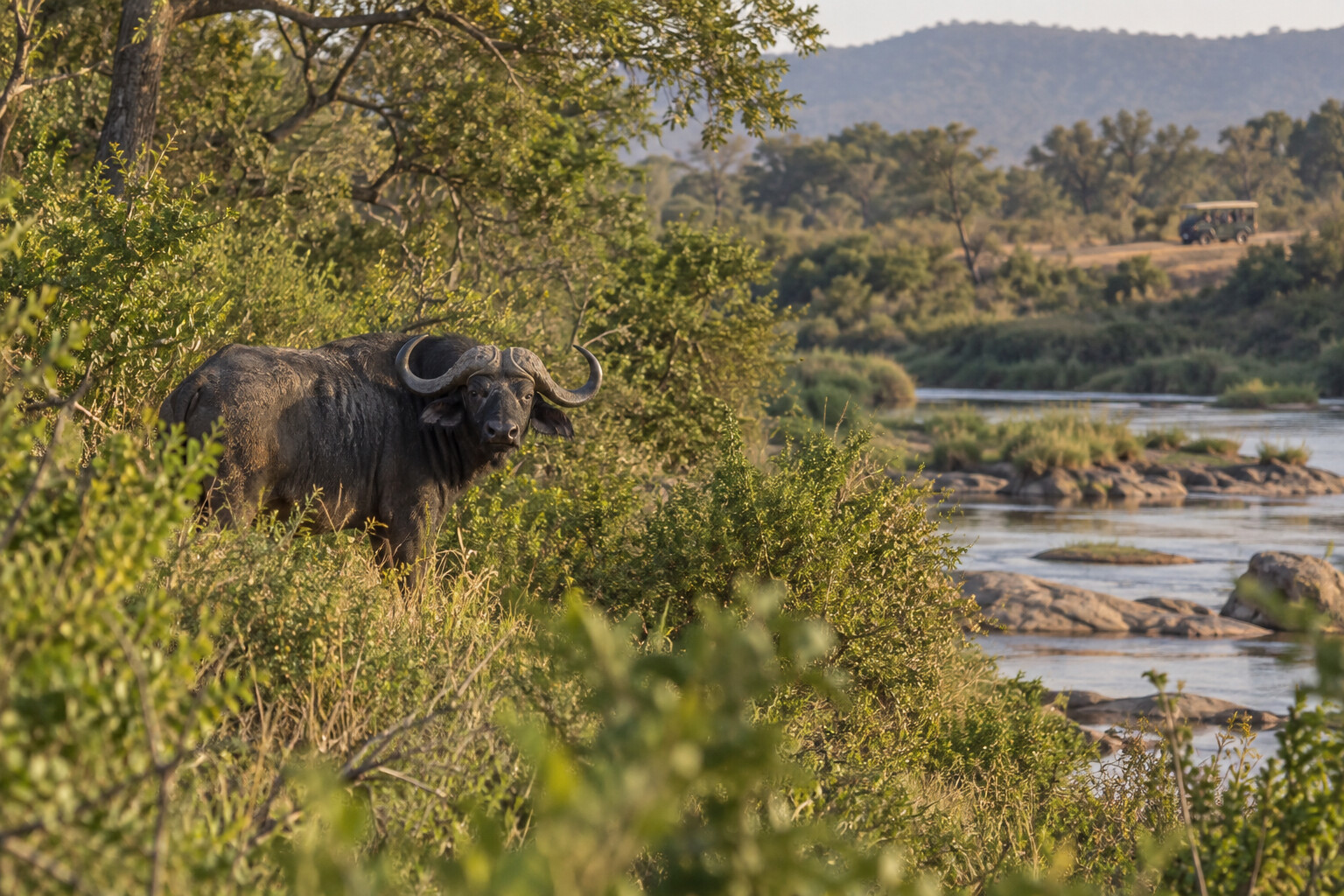
A tragedy within the trophy-hunting debate
Two lives were lost in the episode: the hunter and the buffalo his party had killed. Acknowledging the danger of the encounter does not require celebrating a person’s death. Kleynhans left relatives and friends who experienced a sudden loss.
At the same time, the circumstances invite scrutiny of recreational hunting. Trophy-hunting supporters argue that regulated operations can generate revenue, employment and conservation funding. Opponents question whether those benefits justify killing wild animals for sport and say non-lethal tourism offers a different relationship with wildlife.
The verified facts do not need sensational embellishment. A hunting party entered buffalo habitat, killed one animal and remained near the carcass. Another buffalo charged, and an experienced professional hunter died from the resulting injury.
That sequence is tragic enough. It is also a reminder that a wild animal is never merely a trophy waiting to be collected. Cape buffalo are autonomous, physically powerful animals responding to danger in their environment. The safest and most respectful encounters are those that preserve distance and allow wildlife to remain alive in the wild.
Sources
- Review Online: Well-known hunter killed by buffalo
- The Independent: Big-game hunter gored by buffalo
- All That’s Interesting: Contemporary summary of the incident
