
Canada’s cancellation of registered strychnine uses for killing wolves, coyotes and black bears remains an important wildlife-protection decision. But the story gained a significant new chapter in 2026, when the federal government temporarily authorized the poison for a different and narrowly defined purpose in parts of the Prairies.
Health Canada announced its predator-control decision on March 7, 2024, after concluding that continued strychnine use did not meet environmental-protection requirements. The agency said use records showed more poison had been deployed than poisoned carcasses were recovered, leaving contaminated remains available to scavengers and creating a risk of secondary poisoning.
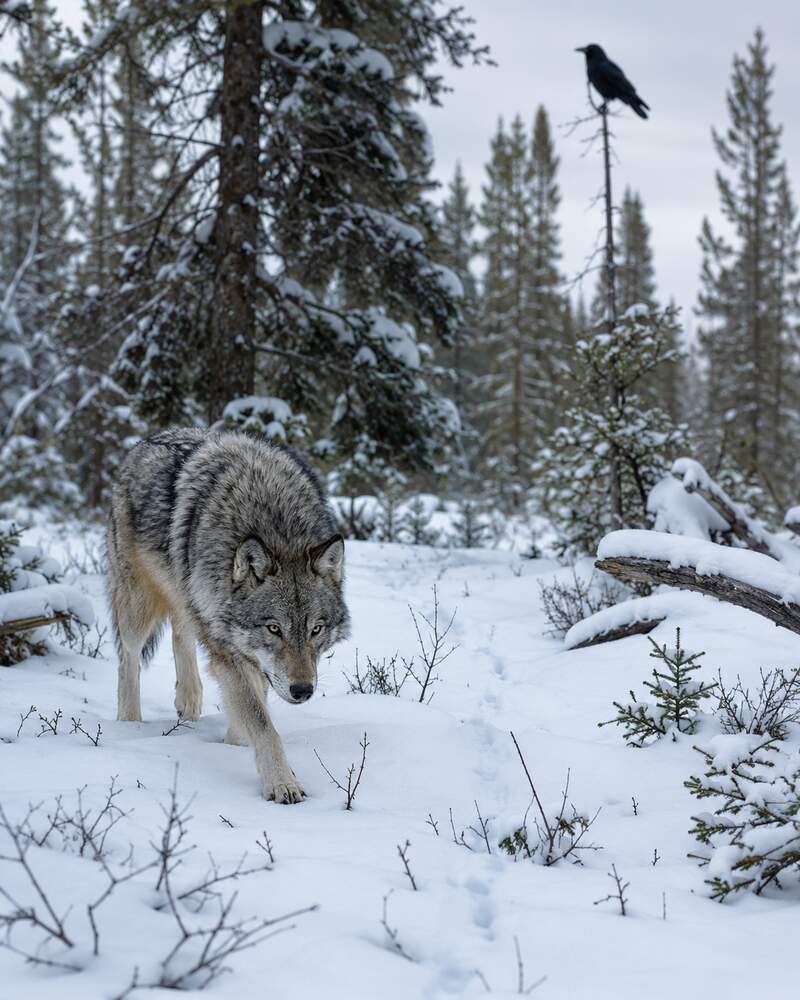
Why predator-control strychnine was cancelled
Strychnine had been registered in Alberta as a restricted pesticide for controlling predators including wolves, coyotes and black bears, as well as skunks. Health Canada’s final review cancelled those uses and established a six-month phase-out period.
The concern was not limited to the animal targeted by a bait. A poisoned carcass can be consumed by another predator or scavenger, extending exposure through the food web. Health Canada said practical measures capable of protecting non-target animals could not be identified.
The poison also causes extreme physical distress. Strychnine disrupts the nervous system and can produce severe, repeated muscle spasms and respiratory failure. Animal-welfare organizations welcomed the 2024 cancellation as a long-sought step away from an indiscriminate and painful wildlife-control method.
What changed in 2026
On March 30, 2026, the federal government authorized a time-limited emergency registration in Alberta and Saskatchewan to address a spike in Richardson’s ground squirrels and reported agricultural damage. The authorization lasts until November 2027 and includes a reduced geographic scope and a revised stewardship program.

This is a crucial distinction: the emergency decision did not restore strychnine as a registered poison for wolves, coyotes or bears. It applies to Richardson’s ground-squirrel control under specific temporary conditions.
The path to that authorization was not automatic. Health Canada initially denied an emergency request on February 6, 2026, finding that the submission did not sufficiently address the risks that had led to cancellation. Alberta and Saskatchewan then submitted a revised joint request with additional restrictions and mitigation measures, which the government approved the following month.
The environmental debate continues
The limited authorization does not erase the 2024 predator-control victory, but it shows that the broader argument over strychnine is unresolved. Farmers and provincial governments point to crop, pasture and infrastructure damage from ground-squirrel outbreaks. Wildlife advocates argue that an acutely toxic poison still presents danger to species that were never meant to consume it.
The central problem remains difficult to contain: once toxic bait or a contaminated animal enters an open ecosystem, the consequences may extend beyond the original control plan. The safeguards attached to the emergency registration will therefore face close scrutiny through its scheduled end in November 2027.
Sources
- Health Canada: 2024 re-evaluation decision for predacide uses
- Government of Canada: March 2026 emergency registration statement
- Health Canada: February 2026 emergency-use decision
